
DIY vs. Hiring a Pro: A Practical Guide for Common Home Repairs

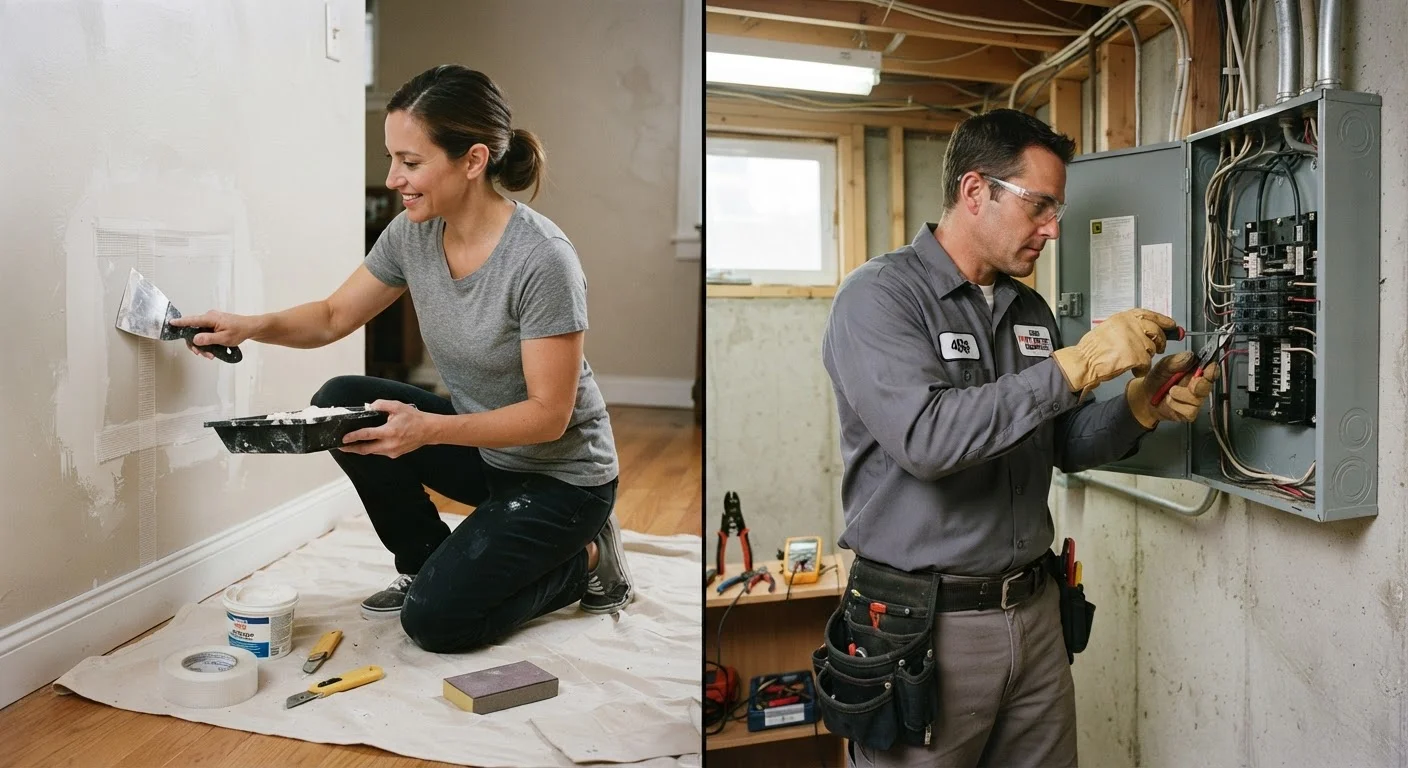
Photo: connectedsearches.com editorial
Key Takeaways
- Tasks like patching drywall, caulking, and painting are generally safe and cost-effective for most homeowners to handle.
- Electrical panel work, gas line repairs, and structural changes almost always require a licensed professional.
- Your skill level, tool availability, and local permit requirements should guide every DIY decision.
- A botched DIY repair can cost more to fix than the original professional service would have.
- Many mid-range repairs fall in a gray zone where honest self-assessment matters more than general rules.
How to frame the DIY-vs.-pro decision
Every home repair decision comes down to four questions: How dangerous is this task if done incorrectly? Does it require a permit or licensed trade in your area? Do you own the right tools? And what does failure actually cost? Running through those four questions takes less than two minutes and will steer most homeowners toward the right answer before they pick up a wrench or call a contractor.
Local building codes in the United States require permits for a wider range of work than many homeowners realize. Unpermitted electrical, plumbing, gas, or structural work can complicate a home sale, void insurance claims, and create liability if something goes wrong. Check with your local building department before starting any project that touches these systems. See understanding your home's main shutoffs for a plain-language overview of how those systems connect.
Cost savings are real but not automatic. A homeowner who buys the wrong materials, makes a mistake, and then calls a pro to repair the repair ends up spending more than if they had hired out from the start. Real home maintenance cost data shows where DIY reliably saves money and where the math turns against it.
| Repair type | DIY | Licensed pro | |
|---|---|---|---|
| Interior painting | Yes, with proper prep | Rarely necessary | |
| Caulking and weatherstripping | Yes, straightforward | Not needed | |
| Drywall patching (small holes) | Yes, low risk | Optional for large damage | |
| Toilet flapper / fixture replacement | Yes, no permit needed | If complications arise | |
| Electrical panel or new circuits | No, permit and license required | Yes, always | |
| Gas line or appliance connection | No, safety and code risk | Yes, always | |
| Roof replacement | High risk, not advised | Yes, recommended | |
| HVAC refrigerant handling | No, EPA certification required | Yes, always | |
| Tile and grout repair (surface) | Yes, with care | If substrate is damaged | |
| Structural wall removal | No, permit and engineer needed | Yes, always |
Repairs most homeowners can handle safely
A wide range of common upkeep tasks carry low risk and require only basic tools. Patching small drywall holes, replacing outlet covers, unclogging drains with a manual drain snake, swapping a toilet flapper, touching up interior paint, resealing a window frame with fresh caulk, and replacing door weatherstripping all fall into this category for most adults with a few hours and modest patience.
Interior painting is one of the clearest examples of DIY value, though preparation is what separates a clean result from a sloppy one. Skipping prep steps is the most common reason a DIY paint job looks amateurish or peels early. Sealing air leaks around windows and doors is another high-return task that costs little in materials. Caulking and weatherstripping can reduce drafts and lower energy bills with a single afternoon of work.
Bathroom tile and grout repairs are manageable for most homeowners if the damage is limited to surface cracking rather than substrate moisture damage. Replacing grout and caulk around tub edges and backsplashes prevents water intrusion that leads to far costlier repairs later.
Work that warrants a licensed professional
Some categories are not judgment calls. Any work on your main electrical panel, service entrance wiring, or circuit breakers requires a licensed electrician in virtually every US jurisdiction. Gas line connections, gas appliance installation, and anything touching the gas meter require a licensed plumber or gas fitter. Structural modifications, including removing walls, altering load-bearing elements, or modifying roof framing, require a structural engineer and a licensed contractor in most municipalities.
Roofing replacement also belongs in the professional column for most homeowners. Beyond the physical fall risk, improper flashing installation is among the most common causes of interior water damage. Insurance companies sometimes deny claims when work was done without a permit or by an unlicensed party.
Permit requirements extend to some tasks that feel minor. Adding a new electrical circuit, relocating a drain line, or installing a water heater typically requires a permit and inspection even if the physical work seems straightforward. Your local building department website will list what triggers a permit; that list is worth reviewing before you start.
The gray zone: plumbing, HVAC, and mid-range repairs
A significant number of repairs sit between obvious DIY and obvious professional work. Replacing a faucet, installing a ceiling fan on an existing circuit, patching a section of hardwood floor, or repairing a small area of exterior siding are all technically within reach for a competent DIYer but carry enough complexity that mistakes are common.
For HVAC systems, filter replacement and basic coil cleaning are reasonable homeowner tasks. Refrigerant handling, ductwork modifications, and electrical connections to the unit are not: these require EPA certification for refrigerants and, depending on the work, a licensed HVAC technician.
If you are new to home ownership, a structured introduction to routine upkeep can help you build a realistic picture of what to tackle yourself versus defer. Building a dedicated maintenance fund before repairs arise reduces the pressure to DIY something beyond your skill level purely to avoid the bill. Sizing a home maintenance reserve gives you the general guidelines homeowners use to set that number. Outdoor and landscaping tasks are another category where DIY almost always pencils out, since the work rarely involves permits or safety risk.
The content provided on our blog site traverses numerous categories, offering readers valuable and practical information. Readers can use the editorial team’s research and data to gain more insights into their topics of interest. However, they are requested not to treat the articles as conclusive. The website team cannot be held responsible for differences in data or inaccuracies found across other platforms. Please also note that the site might also miss out on various schemes and offers available that the readers may find more beneficial than the ones we cover.