
What Home Maintenance Actually Costs (And Where You Can Trim It)

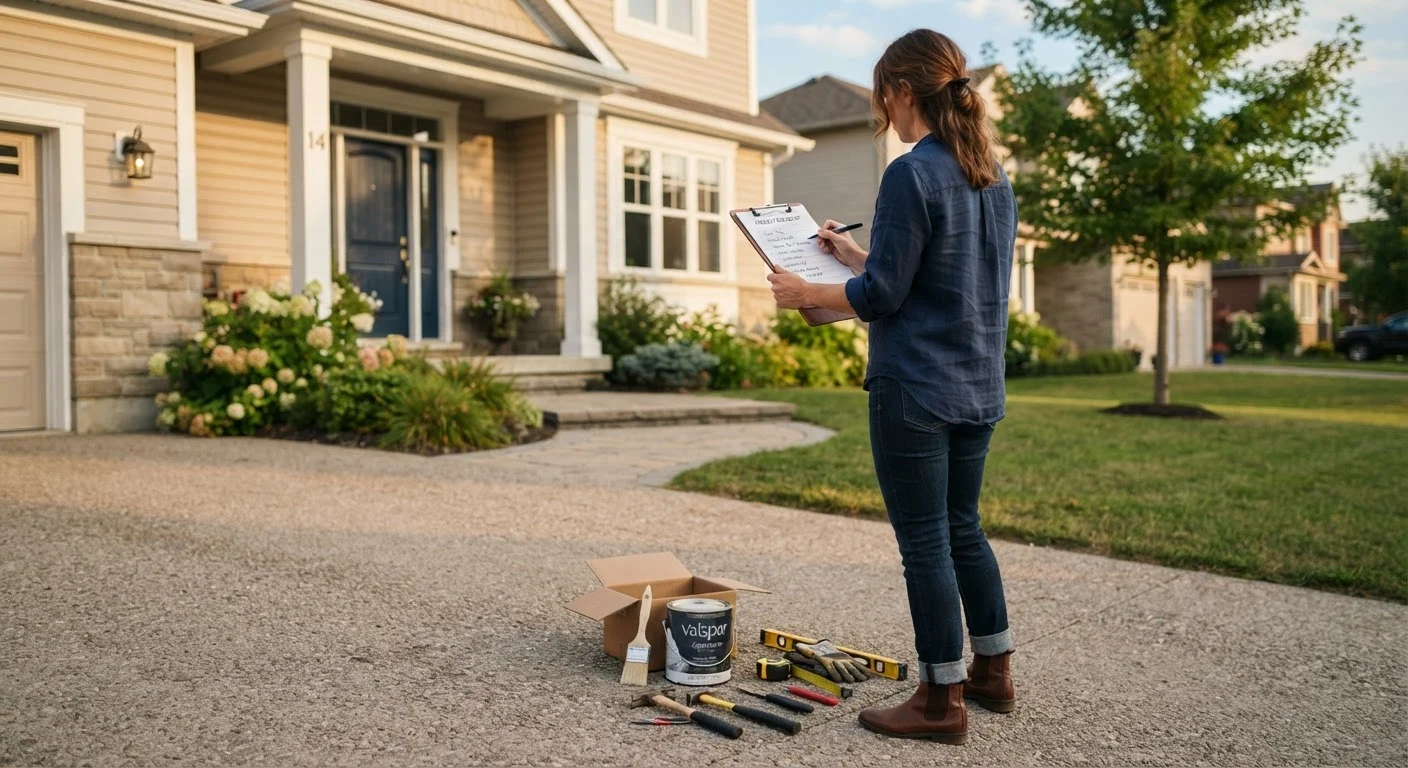
Photo: connectedsearches.com editorial
Key Takeaways
- Annual home maintenance typically costs between 1% and 2% of a home's purchase price, though actual spending varies widely.
- Older homes and homes in harsh climates often require higher annual budgets than newer construction.
- Several common tasks are genuinely safe and inexpensive to do yourself, reducing annual spending meaningfully.
- Deferred maintenance is generally the most expensive outcome: small problems grow into large repairs.
- A dedicated savings fund, sized to your home and its age, reduces financial stress when repairs arise.
The real annual cost of keeping a home running
The 1%-to-2% rule is the most common starting point for estimating annual maintenance spending. On a $250,000 home, that is $2,500 to $5,000 per year. On a $450,000 home, the range climbs to $4,500 to $9,000. These figures are not guarantees; they are planning benchmarks.
Several factors push costs toward the higher end. Homes built before 1980 often have aging systems (roofs, HVAC, plumbing) that need more frequent attention. Properties in areas with heavy snow, persistent humidity, or extreme heat cycles wear faster than those in mild climates. Larger square footage simply means more surface area, more systems, and more potential failure points.
A more specific way to estimate: add up the replacement cost of each major system in your home (roof, water heater, furnace, windows), divide by its expected lifespan in years, and treat that annual figure as your minimum reserve. The home maintenance fund guide walks through a practical method for building that reserve over time.
1%-2%
Recommended annual maintenance budget as a share of home value
This benchmark is widely cited by housing researchers and personal finance educators as a general planning guideline for homeowners.
$3,018
Median annual home maintenance spending reported by homeowners
According to a home maintenance survey cited by Bankrate, median annual spending on maintenance and repairs falls around this figure, though actual costs vary significantly by home age and region.
35%
Share of homeowners who report unexpected repair costs as a financial stressor
Housing affordability research consistently finds that unplanned repair expenses are among the top financial concerns for homeowners, particularly those without a dedicated reserve fund.
Where the money actually goes
Annual maintenance spending breaks into two categories: predictable recurring tasks and unpredictable repairs. Understanding both helps you budget more accurately.
Recurring tasks include HVAC filter replacements (several times per year), gutter cleaning (twice a year in most climates), water heater flushing (annually), caulk and weatherstripping inspection, dryer vent cleaning, and smoke and carbon monoxide detector testing. Most of these cost under $50 in materials if you do them yourself.
Unpredictable repairs are harder to budget because they depend on your home's age and condition. Roof repairs, HVAC service calls, plumbing leaks, and appliance failures are the most common sources of large, unexpected spending. Homeowners who stay current on preventive tasks tend to catch early warning signs before a $150 repair becomes a $1,500 emergency.
Outdoor maintenance, including lawn care, tree trimming, and exterior paint or stain, adds another layer of cost that is easy to underestimate. If you want to reduce spending on the outdoor side, the budget landscaping guide covers low-cost approaches that do not require hiring a landscape company.
Tasks worth doing yourself vs. tasks worth paying for
DIY saves money only when the work is within your skill level and does not create safety or code risks. Several common maintenance tasks genuinely qualify.
Replacing HVAC filters, cleaning gutters, sealing gaps around windows and doors, touching up caulk in bathrooms and kitchens, and repainting interior walls are all tasks most homeowners can complete with standard tools and an afternoon. The cumulative annual savings from doing these yourself rather than hiring out can reach several hundred dollars.
Other tasks carry real risk if done incorrectly. Electrical panel work, gas line repairs, roof replacement, and anything involving the structural framing of the house should be handled by licensed professionals. In most jurisdictions, certain work also requires permits and inspections; skipping those steps can create problems when you sell. See the full DIY vs. pro breakdown for a task-by-task reference.
Schedule maintenance tasks like appointments
One of the highest-return DIY tasks is air sealing. Gaps around windows, doors, and pipe penetrations let conditioned air escape and drive up energy bills. Caulking and weatherstripping typically costs under $30 in materials and can reduce heating and cooling waste noticeably.
Avoiding the most expensive mistake: deferred maintenance
Skipping maintenance to save money in the short term is the pattern that leads to the largest bills. Water intrusion from a failed roof flashing, mold growth from a leaking pipe fitting, and foundation cracks from poorly directed roof runoff are all common outcomes of tasks that were delayed too long.
A simple annual walkthrough of your home, inside and out, catches most problems early. Check the roof and gutters in fall and spring. Test every faucet, toilet, and shut-off valve periodically. Knowing where your main water, gas, and electrical shutoffs are located can also limit damage when something does fail. The shutoffs and circuit breakers guide is a useful reference for every homeowner.
If you are new to owning a home and want a clear picture of which tasks to prioritize and how often to do them, the first-time homeowner upkeep guide provides a practical starting point organized by season and frequency.
Frequently Asked Questions
The content provided on our blog site traverses numerous categories, offering readers valuable and practical information. Readers can use the editorial team’s research and data to gain more insights into their topics of interest. However, they are requested not to treat the articles as conclusive. The website team cannot be held responsible for differences in data or inaccuracies found across other platforms. Please also note that the site might also miss out on various schemes and offers available that the readers may find more beneficial than the ones we cover.