
A First-Time Homeowner's Introduction to Routine Upkeep

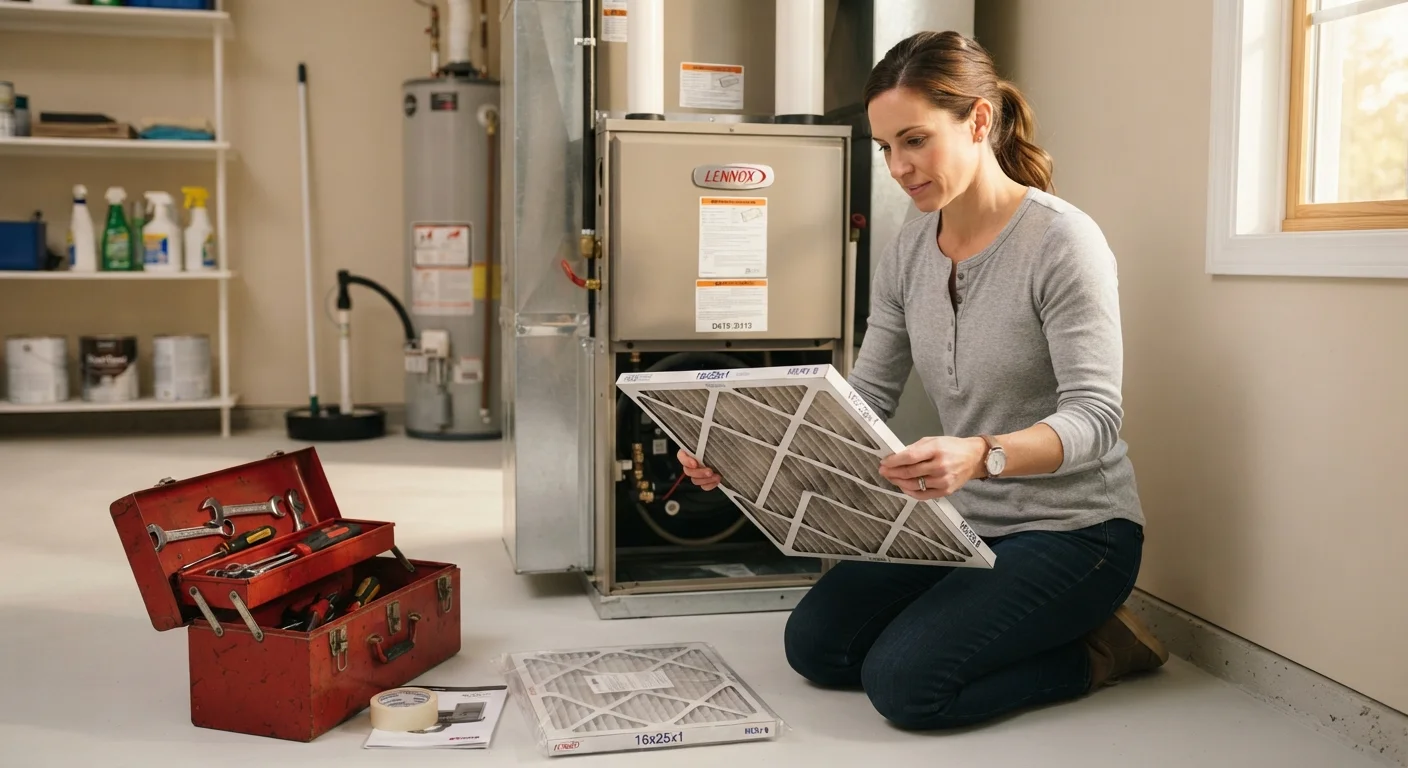
Photo: connectedsearches.com editorial
Key Takeaways
- Small, consistent maintenance tasks prevent expensive emergency repairs down the road.
- Many monthly checks require no tools and take under 15 minutes to complete.
- Seasonal maintenance follows a predictable pattern you can plan and budget for in advance.
- Electrical, gas, structural, and roofing work should go to a licensed professional.
- A dedicated maintenance fund reduces financial stress when unexpected repairs arise.
Why routine upkeep matters from day one
Owning a home means accepting that systems wear out, weather causes damage, and small problems grow when ignored. The good news is that most of what keeps a house in sound condition follows a predictable schedule. Learning that schedule early is the most cost-effective thing a new homeowner can do.
Reactive repairs, the ones you make after something breaks, almost always cost more than preventive maintenance. A $10 HVAC filter replaced on time can help extend the life of a system that costs thousands to replace. Caulk applied around a window frame for a few dollars can prevent water intrusion that would otherwise damage framing and drywall.
Budgeting for maintenance is part of the picture too. If you have not yet set aside a dedicated reserve, the article on building a home maintenance fund explains how homeowners generally size and grow one. Pairing that with a monthly budget review helps you make room for upkeep costs before they surprise you.
Preventive maintenance
Scheduled upkeep done before something breaks, intended to extend the life of home systems and avoid larger repairs.
HVAC
Short for heating, ventilation, and air conditioning. The system that controls temperature and air quality inside your home.
Drain trap
A curved pipe section under sinks and drains that holds a small amount of water to block sewer gases from entering the home.
Weatherstripping
Flexible sealing material applied around doors and windows to close gaps and prevent air leaks.
Condenser unit
The outdoor component of a central air conditioning system that releases heat from inside your home to the outside air.
Building permit
Official approval from a local government allowing specific construction or renovation work to proceed under code inspection.
Monthly tasks you can do yourself
Several checks cost nothing but a few minutes and require no tools. Run through these every month:
- Test smoke detectors and carbon monoxide detectors by pressing the test button. Replace batteries at least once a year, or immediately when the unit chirps.
- Check HVAC filters. Hold a used filter up to light; if you cannot see light through it, replace it. Standard 1-inch filters typically need changing every 1 to 3 months depending on usage and household conditions.
- Run water in any sink, shower, or tub you have not used recently to prevent drain traps from drying out, which can allow sewer gases to enter the home.
- Inspect visible pipes under sinks for moisture, discoloration, or drips. Catching a slow leak early prevents cabinet and floor damage.
- Check that your fire extinguisher is in its designated location, the pressure gauge needle is in the green zone, and the pin and tamper seal are intact.
None of these tasks require special skills. They are habits worth building in the first weeks of homeownership.
Seasonal tasks and what they involve
Four seasonal checkpoints cover most of what a house needs across a year.
Spring
After winter, walk the perimeter and inspect the foundation for new cracks, check window and door caulk for gaps, and clean gutters of debris that accumulated over fall and winter. Test outdoor faucets and irrigation systems before turning them on fully.
Summer
Clean the outdoor condenser unit of your central AC system by removing debris from around it and rinsing the fins gently with a hose. Inspect your roof from the ground for missing or curling shingles. Do not attempt to walk a roof yourself; that work carries fall risk and, for anything beyond visual inspection, belongs with a licensed roofing professional.
Fall
Clean gutters again after leaves fall. Have your heating system serviced by a qualified HVAC technician before cold weather arrives. Drain and shut off exterior water lines if your climate requires it. Check weatherstripping on exterior doors; a strip that no longer seals lets conditioned air escape and raises energy bills.
Winter
Know where your main water shut-off valve is before pipes freeze. Keep cabinet doors under sinks open during hard freezes to let warm air reach pipes. Check attic insulation levels if your energy bills spike unexpectedly.
Make a seasonal task list now
Knowing when to call a professional
Some tasks are outside what a homeowner should attempt without training or licensing. This is not about skill level; it is about safety and legal compliance.
Work involving your electrical panel, wiring, or circuit breakers belongs with a licensed electrician. Gas line repairs, whether for a furnace, dryer, or stove, require a licensed plumber or gas technician. Structural repairs, including anything that affects load-bearing walls, beams, or the foundation, need a qualified structural engineer or contractor. Roof replacement and major roof repairs warrant a licensed roofer.
Many of these jobs also require permits. Contact your local building or code enforcement department before starting any significant project. Unpermitted work can complicate home sales and, in some cases, void insurance coverage.
For a more detailed breakdown of which repairs are safe for DIY versus which need a pro, the guide on DIY versus hiring a professional walks through common scenarios.
Building a simple upkeep routine
A maintenance routine does not need to be complicated. A calendar with recurring reminders for monthly checks and four seasonal blocks covers most of what a house needs. Store your home's owner's manuals, warranty documents, and a log of completed tasks in one folder, whether physical or digital.
When you complete a task, note the date and any observations. If you replaced a filter, note the size and brand you used so the next purchase is straightforward. If a technician serviced the furnace, file the invoice with a note of what was inspected and any recommendations made.
First-time homeownership involves a real learning curve on costs. Connecting maintenance habits to your broader household finances, as covered in the Family Budget Basics hub, helps you treat upkeep as a planned expense rather than a series of shocks. Small, consistent actions taken early protect both the home and the budget over the years ahead.
This article provides general home maintenance information for educational purposes only. It is not a substitute for advice from a licensed contractor, engineer, or other qualified professional. Always verify local permit and code requirements before beginning any home project.
Frequently Asked Questions
The content provided on our blog site traverses numerous categories, offering readers valuable and practical information. Readers can use the editorial team’s research and data to gain more insights into their topics of interest. However, they are requested not to treat the articles as conclusive. The website team cannot be held responsible for differences in data or inaccuracies found across other platforms. Please also note that the site might also miss out on various schemes and offers available that the readers may find more beneficial than the ones we cover.