
Coupons in the Digital Age: What Has Changed and What Still Works

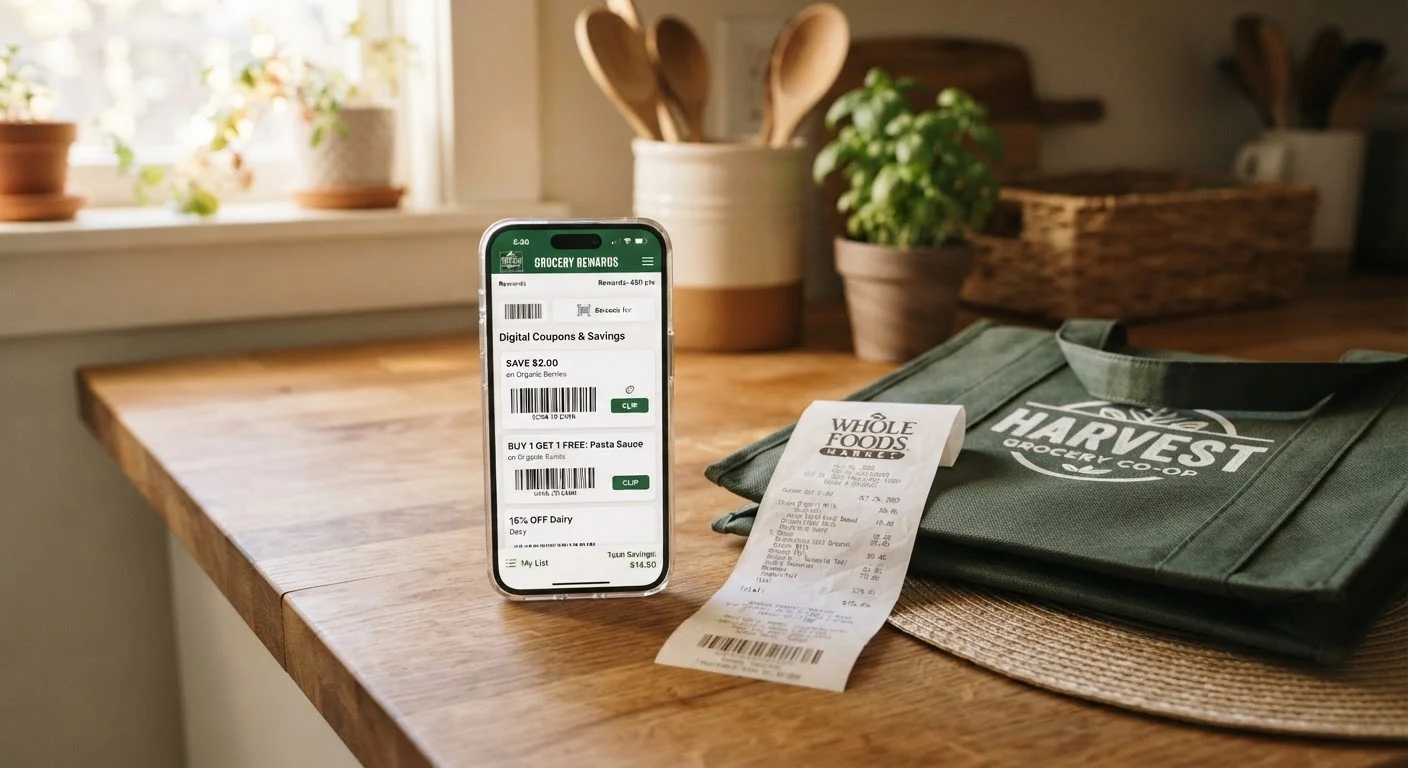
Photo: connectedsearches.com editorial
Key Takeaways
- Most major grocery chains now deliver discounts through loyalty apps rather than printed inserts.
- Digital coupons can be stacked with sale prices in many stores, but stacking rules vary by retailer.
- Cashback apps work differently from store coupons and are not the same savings mechanism.
- Clipping digital offers before shopping, not after, is what determines whether a discount applies.
- Price cycling still drives the best savings opportunities regardless of coupon format.
How grocery couponing actually changed
For most of the 20th century, coupon distribution ran through Sunday newspaper inserts, direct mail, and in-store tear pads. Shoppers clipped, sorted, and carried paper to the register. The format was slow, physical, and easy to forget at home.
The shift began when retailers tied discounts to loyalty cards in the 1990s, moved faster when smartphones became common, and accelerated sharply when grocery chains built their own apps. Today the dominant coupon delivery channel at most major chains is a store-branded app or website where shoppers browse available offers and load them to an account before shopping. The discount applies automatically when the loyalty card or phone number is scanned at checkout.
Print inserts from manufacturers still exist, and some high-value paper coupons circulate through mailers and store displays. But their volume has dropped considerably, and many manufacturers now route equivalent offers through retailer platforms rather than printing separately. For a grounding in how these mechanics fit together, this family shopping primer covers price cycles and coupon basics from scratch.
Load offers before you write your list
The main digital savings channels today
Three channels account for most digital grocery savings now.
- Store loyalty apps. Retailers including large national chains and regional grocers publish weekly digital offers inside their own apps. Offers are specific to that store and funded either by the manufacturer or the retailer. Loading an offer takes one tap and costs nothing.
- Cashback apps. Apps like Ibotta and Fetch Rewards work differently from store coupons. Shoppers browse available rebates, buy the qualifying product at any store, then submit a receipt photo or link a loyalty account. The rebate arrives as cash or points after the purchase is verified. These are not discounts at the register; they reduce effective cost after the fact.
- Browser extensions for online orders. When ordering groceries for pickup or delivery, browser-based tools can surface promo codes or alert shoppers to price changes. This channel matters less for in-store shopping but is relevant for households that order online regularly.
Understanding which channel you are using matters because the timing and rules differ. For a direct comparison of browser tools and cashback apps, see how each approach works in practice.
Over 60%
U.S. shoppers using digital coupons regularly
Statista consumer survey data from recent years consistently shows a majority of American grocery shoppers reporting digital coupon use at least occasionally.
~$1,500
Average annual household grocery savings reported by regular coupon users
Consumer savings estimates from coupon industry research suggest consistent users can reach this range annually, though outcomes vary by household size and shopping habits.
4 in 5
Major U.S. grocery chains with a dedicated loyalty app
Retail industry surveys indicate the vast majority of large national and regional grocery retailers now operate a branded app with integrated digital offers.
What has not changed: the logic behind savings
The format of coupons changed; the underlying math did not. Grocery stores cycle prices on most categories roughly every four to six weeks. A product on sale this week will return to full price and then come back on promotion again. Shoppers who buy ahead during a promotion and have a coupon for the same item capture both the sale discount and the coupon reduction simultaneously.
This stacking approach works in the digital world exactly as it did with paper. The practical difference is that shoppers now need to check a phone app rather than a paper binder to know what offers are loaded. Stacking digital coupons with cashback and store sales requires attention to each retailer's specific rules, which vary.
Loyalty programs add a layer to this picture. Member prices, which many stores display as a separate per-unit cost requiring a loyalty card scan, function like a standing discount on hundreds of items each week. They are not technically coupons, but they interact with coupon stacking rules. Understanding what loyalty programs actually offer and what they ask in return helps shoppers decide how much to rely on them.
Building a routine that is actually sustainable
The most common failure point in digital couponing is not missing a deal; it is spending more time organizing savings than the savings are worth. A workable routine has three steps.
- Before writing a grocery list, open your store app and browse that week's loaded offers. Add items you already planned to buy if a digital offer matches.
- Check one cashback app for rebates on items already on your list. Do not buy something solely because a rebate exists; the rebate rarely exceeds the cost of an unneeded purchase.
- At checkout, confirm your loyalty number is entered before items are scanned. An unloaded offer that was not linked to the account will not apply.
Consistency with this routine, applied to regular shopping rather than special trips, produces more savings over a year than occasional deep-dive coupon sessions. The Deal-Smart Shopping hub has additional strategies for households at different stages of building this kind of system.
Frequently Asked Questions
The content provided on our blog site traverses numerous categories, offering readers valuable and practical information. Readers can use the editorial team’s research and data to gain more insights into their topics of interest. However, they are requested not to treat the articles as conclusive. The website team cannot be held responsible for differences in data or inaccuracies found across other platforms. Please also note that the site might also miss out on various schemes and offers available that the readers may find more beneficial than the ones we cover.