
Browser Extensions vs. Cashback Apps: Two Approaches to Automatic Savings

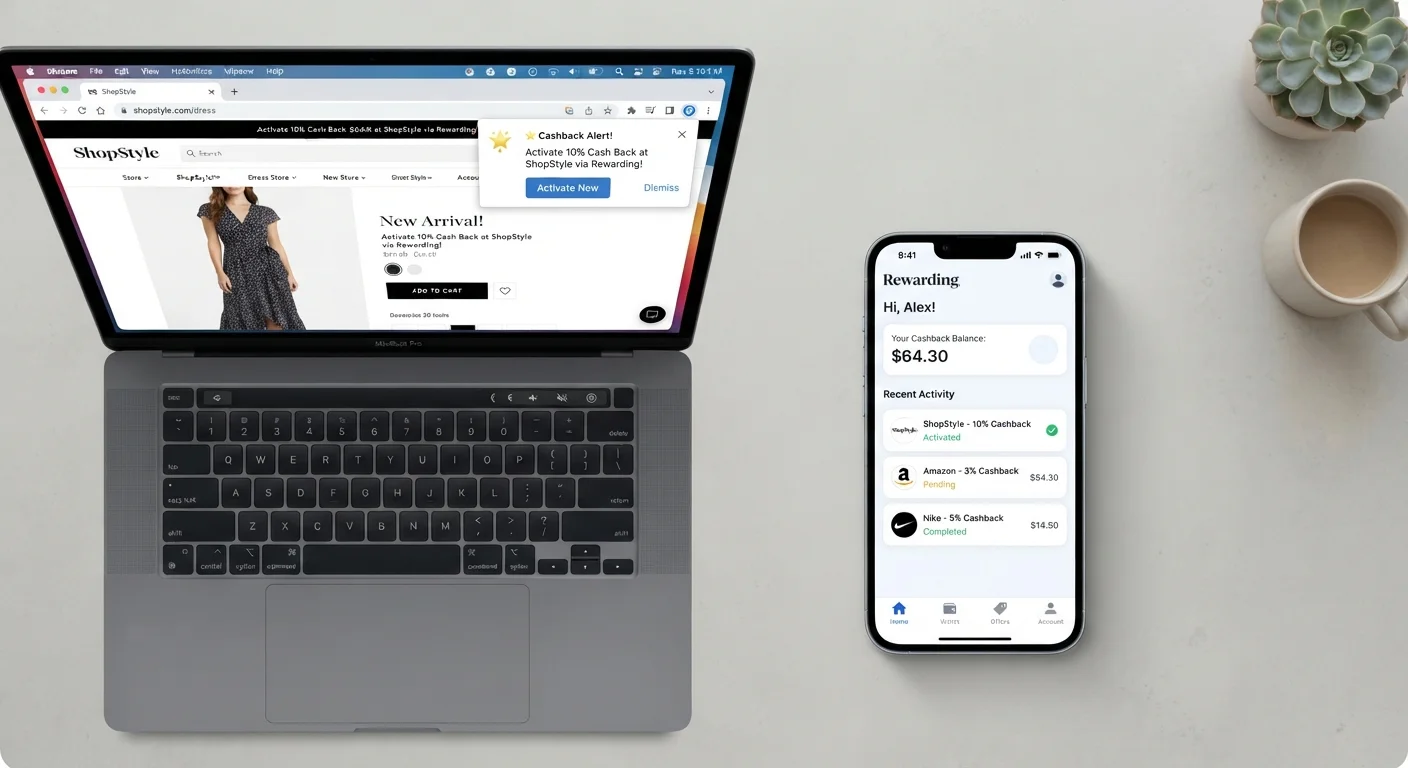
Photo: connectedsearches.com editorial
Key Takeaways
- Browser extensions apply coupon codes automatically at checkout, reducing the purchase price upfront.
- Cashback apps return a percentage of spending after purchase, sometimes requiring receipt submission.
- Extensions work mainly on desktop browsers; cashback apps cover both online and physical stores.
- Both tools collect some browsing or purchase data, so reviewing privacy settings matters.
- Using both together on eligible purchases can layer savings, though store terms vary.
How each tool actually works
Browser extensions install directly into Chrome, Firefox, or similar browsers. When you land on a supported retailer's checkout page, the extension scans its database for applicable coupon codes and applies them automatically, or prompts you to apply the one with the highest expected value. The price you see before you complete payment is the reduced price.
Cashback apps operate differently. You either activate an offer before shopping, shop through the app's linked portal, or submit a receipt after purchase. The app then credits a percentage of the eligible transaction to your account. That balance accumulates until you redeem it, typically by transferring to a bank account, PayPal, or a gift card. Some apps also link to store loyalty programs so the credit posts automatically.
The timing difference matters for budgeting. An extension reduces what leaves your account immediately. A cashback credit restores a small portion later, sometimes weeks after the transaction settles.
Coverage and compatibility
Browser extensions are limited to online purchases made through a desktop or laptop browser. They generally do not function on mobile apps, and they cover only retailers in their database. Coverage varies by extension, and the number of supported stores can range widely.
Cashback apps cover more ground. Many work for in-store purchases through receipt scanning, linked cards, or store account integration. That makes them useful for grocery runs, pharmacy trips, and any other spending that happens in a physical store. Mobile-specific shopping apps can also qualify if the cashback app supports portal linking.
| Criterion | Browser Extensions | Cashback Apps |
|---|---|---|
| When savings are received | Upfront at checkout | After purchase, on balance |
| Works in physical stores | No | Yes, via receipt or linked card |
| Works on mobile shopping apps | No | Often yes, via portal or linking |
| Setup required before shopping | One-time browser install | Offer activation or portal visit |
| Grocery store coverage | Limited to online orders | Yes, including in-store |
| Data collected | Pages visited, checkout data | Purchase history, card transactions |
| Payout method | Direct price reduction | Bank transfer, PayPal, gift cards |
For families splitting spending between online and in-store, the broader reach of cashback apps fills gaps that extensions cannot. For households concentrated on online purchasing, extensions remove friction because no pre-activation step is required.
Privacy and data considerations
Both tools require some level of data sharing, and the terms are worth reading before installation. Browser extensions can read the pages you visit because that is how they detect retailer checkout pages. Most major extensions describe what data they collect and whether it is shared with third parties for advertising or analytics purposes.
Cashback apps collect purchase history, sometimes linked to a registered email or phone number, to verify and credit eligible transactions. Apps that use linked payment cards see transaction data directly from the card network.
Neither arrangement is inherently unsafe, but both involve a trade-off: convenience in exchange for some browsing or transaction data. Checking the privacy policy and adjusting in-app permissions where possible is reasonable practice before committing to either tool.
For a broader view of how loyalty data fits into this picture, see the trade-offs in store loyalty programs.
When to use both
Some purchases allow both tools to apply simultaneously. If a retailer supports a browser extension and also has active offers in a cashback app, completing the purchase through the cashback app's portal while the extension applies a code can layer both benefits. Whether stacking is permitted depends on the retailer and the specific cashback offer terms, so confirming eligibility before checkout avoids surprises.
This kind of layering is covered in more depth in a guide to combining coupons, cashback, and store sales. The short version: read each offer's exclusion list, and do not assume stacking is always allowed simply because both tools are installed.
Families new to either approach can find a practical starting framework in the deal-smart shopping primer for families, which covers how to build a savings habit without tracking multiple platforms all at once.
The content provided on our blog site traverses numerous categories, offering readers valuable and practical information. Readers can use the editorial team’s research and data to gain more insights into their topics of interest. However, they are requested not to treat the articles as conclusive. The website team cannot be held responsible for differences in data or inaccuracies found across other platforms. Please also note that the site might also miss out on various schemes and offers available that the readers may find more beneficial than the ones we cover.