
Pantry Staples That Do the Heavy Lifting in Budget Cooking

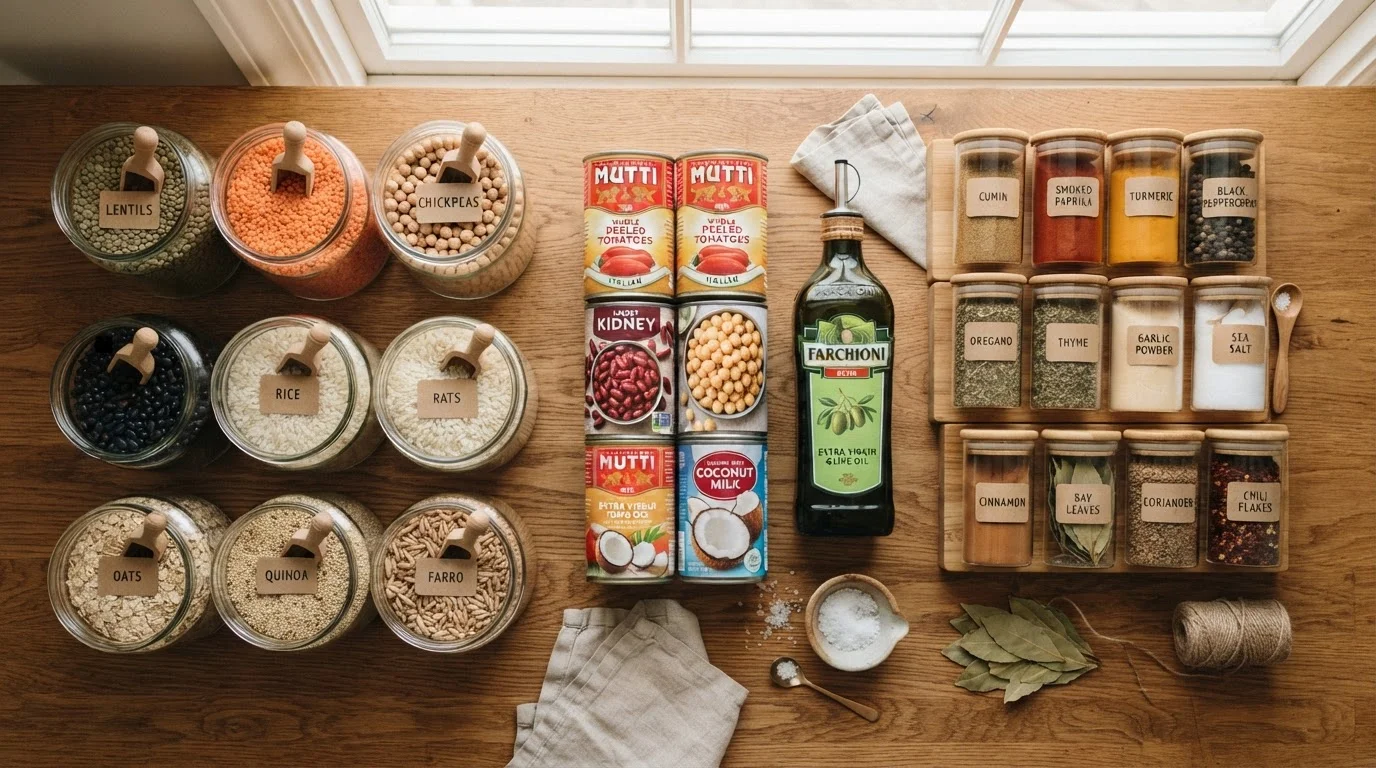
Photo: connectedsearches.com editorial
Why pantry depth matters more than a full fridge
A refrigerator full of fresh ingredients sounds ideal, but it spoils on a schedule you have to meet. A stocked pantry works differently: it is patient, flexible, and always ready. When produce runs low and the weekly grocery budget is already spent, shelf-stable staples are what actually get dinner on the table.
The goal is not to hoard dozens of obscure ingredients. A focused collection of genuinely versatile items means fewer wasted dollars and more meal options per square foot of storage. See common pantry missteps that quietly inflate costs if you want to avoid overbuying things that end up in the trash.
| Cost of dried lentils (1 lb bag) | Under $2 at most US grocery stores |
| Servings per pound of dried beans | 6 to 8 cooked servings |
| Canned tomatoes (28 oz) | Approximately $1 to $1.50 per can |
| Shelf life of dried pasta | 2 years or more when stored dry and sealed |
| Shelf life of most dried spices | 6 to 12 months at peak flavor; safe beyond that |
| Eggs (protein versatility) | Work in breakfast, lunch, dinner, and baking |
The core staples and what they can do
Dried beans and lentils are among the most economical protein sources available in any US grocery store. A one-pound bag of dried black beans or green lentils typically costs under two dollars and yields six to eight servings. Lentils cook in under thirty minutes without soaking, making them practical for weeknights. Use them in soups, stews, tacos, salads, and grain bowls. For more on how affordable staples compare to expensive health-food alternatives, see why everyday staples rival pricier superfoods in nutrition.
Canned tomatoes (whole, diced, or crushed) anchor pasta sauces, braises, chilis, and shakshuka. They cost about one dollar per can and perform better than out-of-season fresh tomatoes in cooked dishes.
Rice and oats are the two most workable grains for a budget kitchen. Long-grain white rice is cheap per pound and pairs with almost anything. Rolled oats cover breakfast but also thicken soups, bind meatballs, and become a quick savory porridge when needed.
Canned fish (tuna, sardines, salmon) provides quick protein at a low cost per serving. Sardines in particular are shelf-stable, high in protein, and well-suited to pasta and grain dishes.
Eggs straddle the line between pantry and refrigerator but belong on this list because they function in nearly every meal context: breakfast scrambles, fried rice, frittatas, binders in patties, and quick protein when nothing else is ready.
Olive oil or vegetable oil, soy sauce, and vinegar are the flavor backbone of budget cooking. Soy sauce adds savory depth to stir-fries and marinades. A splash of vinegar (white wine, apple cider, or plain white) brightens a flat soup or bean dish faster than any spice.
Shelf-stable
A food product that can be stored safely at room temperature for an extended period without refrigeration. Examples include canned goods, dried grains, and dried legumes.
Dried legumes
Beans, lentils, and peas sold in dry form rather than canned. They require soaking or longer cooking but cost significantly less per serving than canned versions.
Best-by date
A manufacturer's estimate of when a product is at peak quality, not a safety cutoff date. Many shelf-stable items remain safe and usable well past this date.
Bulk bins
Open containers in some grocery stores that let shoppers scoop and purchase only the quantity they need of grains, spices, nuts, and dried goods, often at lower per-ounce prices.
Cost per serving
The total cost of an ingredient divided by the number of portions it yields. Used to compare the true value of different protein or grain options across a meal plan.
Spices: small cost, large impact
Spices are where many budget cooks underinvest. A nearly bare spice rack forces you to cook the same few flavors on repeat, which is one of the real reasons cheap eating gets a bad reputation. A short list goes a long way: garlic powder, cumin, smoked paprika, chili powder, dried oregano, and black pepper cover a range from Mexican-style dishes to Mediterranean to Southern American cooking.
Buying spices from bulk bins (where available) or in store-brand jars costs considerably less than name-brand racks. Whole spices stay potent longer than pre-ground, but ground versions are practical for most households. Store all spices away from heat and direct light, and plan to replace them roughly once a year for full flavor. For a closer look at building meals from these building blocks week after week, the practical meal planning guide for families walks through a low-friction weekly system.
Stocking smart without overspending
The temptation when building a pantry is to buy everything at once. That approach can quietly inflate a grocery bill. A more practical method is to add two or three staples per shopping trip over a month or two, filling gaps as they appear during cooking rather than buying speculatively.
Bulk bins at larger grocery stores let you buy exactly the quantity you need, which is useful for spices, grains, and dried beans when you are testing a new ingredient before committing to a full bag. Store brands almost always match the quality of name brands for shelf-stable goods like canned tomatoes, broth, and dried pasta.
Pay attention to the markdown shelf for canned goods: stores regularly discount items near their best-by date that are still completely fine for pantry use. The freezer guide pairs well with this pantry approach, since batch cooking from pantry staples and freezing portions extends your dollar further. And if you are working from a tight weekly total, the framework for feeding a family of four under one hundred dollars per week shows how these staples fit into a real spending plan.
The content provided on our blog site traverses numerous categories, offering readers valuable and practical information. Readers can use the editorial team’s research and data to gain more insights into their topics of interest. However, they are requested not to treat the articles as conclusive. The website team cannot be held responsible for differences in data or inaccuracies found across other platforms. Please also note that the site might also miss out on various schemes and offers available that the readers may find more beneficial than the ones we cover.