
The Freezer Is Your Most Underused Kitchen Tool

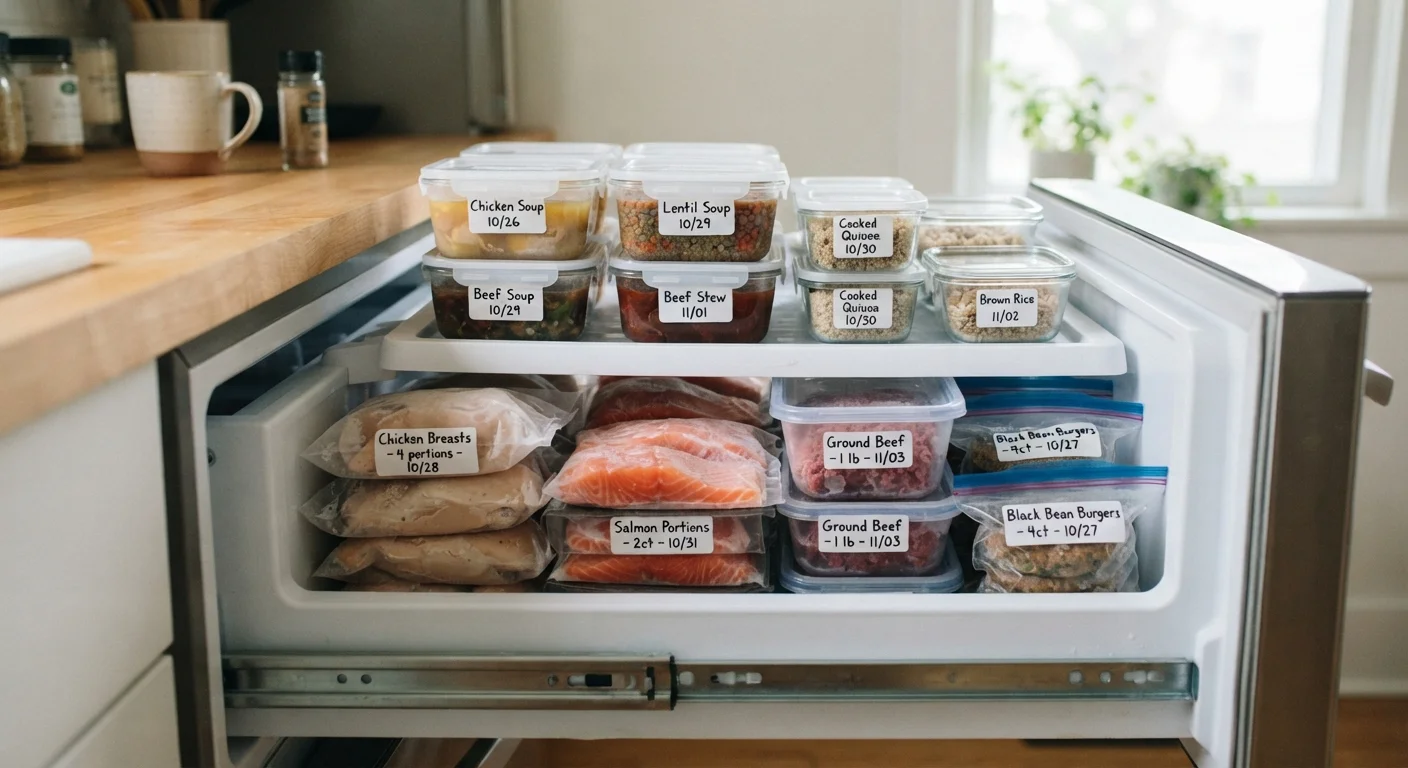
Photo: connectedsearches.com editorial
Key Takeaways
- Freezing batch-cooked meals reduces weeknight cooking time and food costs at once.
- Many ingredients freeze better than most home cooks expect, including dairy, grains, and bread.
- Proper packaging prevents freezer burn and protects food quality for months.
- A labeled, organized freezer prevents forgotten food and reduces repeat grocery trips.
- Combining freezer strategy with meal planning multiplies savings across the whole week.
Why most freezers sit half-empty and half-forgotten
For most families, the freezer gets used in one of two ways: dumping leftovers with good intentions, or stashing frozen convenience meals as a backup plan. Neither approach gets much value out of the appliance. Food piles up without labels, textures suffer from freezer burn, and eventually things get thrown out anyway.
The real cost of this habit shows up at the grocery store. Without a working freezer strategy, families end up buying ingredients multiple times a week, paying full price for proteins that go on sale regularly, and tossing produce that wilted before dinner happened. The freezer was right there the whole time.
A more deliberate approach changes the math. See how strategic freezer use can cut both food waste and grocery bills when you treat it as a planning tool rather than a holding space.
What actually freezes well (and what surprises people)
The list of freezer-friendly foods is longer than most people assume. The obvious ones are proteins: chicken breasts, ground beef, pork chops, and shrimp all freeze well raw or cooked. But the list goes further.
- Cooked grains: rice, farro, barley, and quinoa freeze in portions and thaw in minutes.
- Bread and tortillas: slice bread before freezing so you can pull individual pieces. Tortillas separate easily from a stack straight from frozen.
- Legumes: a big batch of dried beans, cooked from scratch, costs a fraction of canned and freezes in one-cup portions for months.
- Bananas: peel them first. Frozen bananas are ideal for smoothies or baked goods and keep you from throwing out overripe fruit.
- Cheese: hard and semi-hard cheeses like cheddar and mozzarella freeze acceptably, especially if you plan to cook with them rather than slice them.
- Dairy: butter and heavy cream freeze without issue. Milk can be frozen but may separate slightly after thawing.
For a full look at which pantry staples pair well with a freezer strategy, see the pantry staples that anchor budget cooking.
Freeze in usable portions, not bulk blocks
Batch cooking: the habit that pays weekly dividends
Batch cooking means making large quantities of a base ingredient or full meal in one session, then storing portions in the freezer. A Sunday afternoon spent making a double pot of soup, a tray of meatballs, and a big pot of rice sets up the whole week without requiring daily cooking from scratch.
The cost savings come from two directions. First, you can buy proteins and produce in larger quantities when prices are lower, then cook and freeze immediately rather than risking spoilage. Second, having a freezer stocked with ready meals removes the temptation to order takeout on a tired Wednesday night, which is where many family food budgets quietly leak.
$1,500+
Average annual food waste cost per U.S. household
The U.S. Department of Agriculture has estimated that American households waste a substantial share of the food they purchase, with costs often exceeding $1,500 per year when accounting for spoiled produce, unused proteins, and discarded leftovers.
40%
Share of U.S. food supply that goes uneaten
The USDA and EPA have both cited figures suggesting roughly 30 to 40 percent of the U.S. food supply is wasted at the consumer and retail level, much of it from perishables that could have been frozen.
Batch cooking works best when combined with a meal plan. Meal planning for real families covers how to build a weekly system that makes batch cooking less of a chore and more of a routine.
Organizing your freezer so you actually use what is in it
An organized freezer is not about aesthetics. It is about making sure food gets used before quality drops. The two-minute habit that prevents most waste is labeling: write the contents and the date on every bag or container before it goes in.
Beyond labels, group items by type. Keep proteins in one zone, grains and beans in another, complete meals together. Flat freezer bags stacked upright like files take up far less space than round containers and let you see everything at once. A quick check before each grocery trip prevents buying duplicates of items already stocked.
One common mistake is overfilling. A freezer packed too tightly restricts air circulation and makes it harder to find anything, which leads to forgotten food. Leave enough room to see what you have.
For families who also want to cut waste at the planning stage, meal planning basics for reducing waste and stress walks through how to connect your freezer inventory to your weekly grocery list.
Frequently Asked Questions
The content provided on our blog site traverses numerous categories, offering readers valuable and practical information. Readers can use the editorial team’s research and data to gain more insights into their topics of interest. However, they are requested not to treat the articles as conclusive. The website team cannot be held responsible for differences in data or inaccuracies found across other platforms. Please also note that the site might also miss out on various schemes and offers available that the readers may find more beneficial than the ones we cover.