
The Freezer as a Financial Tool: How Families Reduce Food Waste and Grocery Bills Together

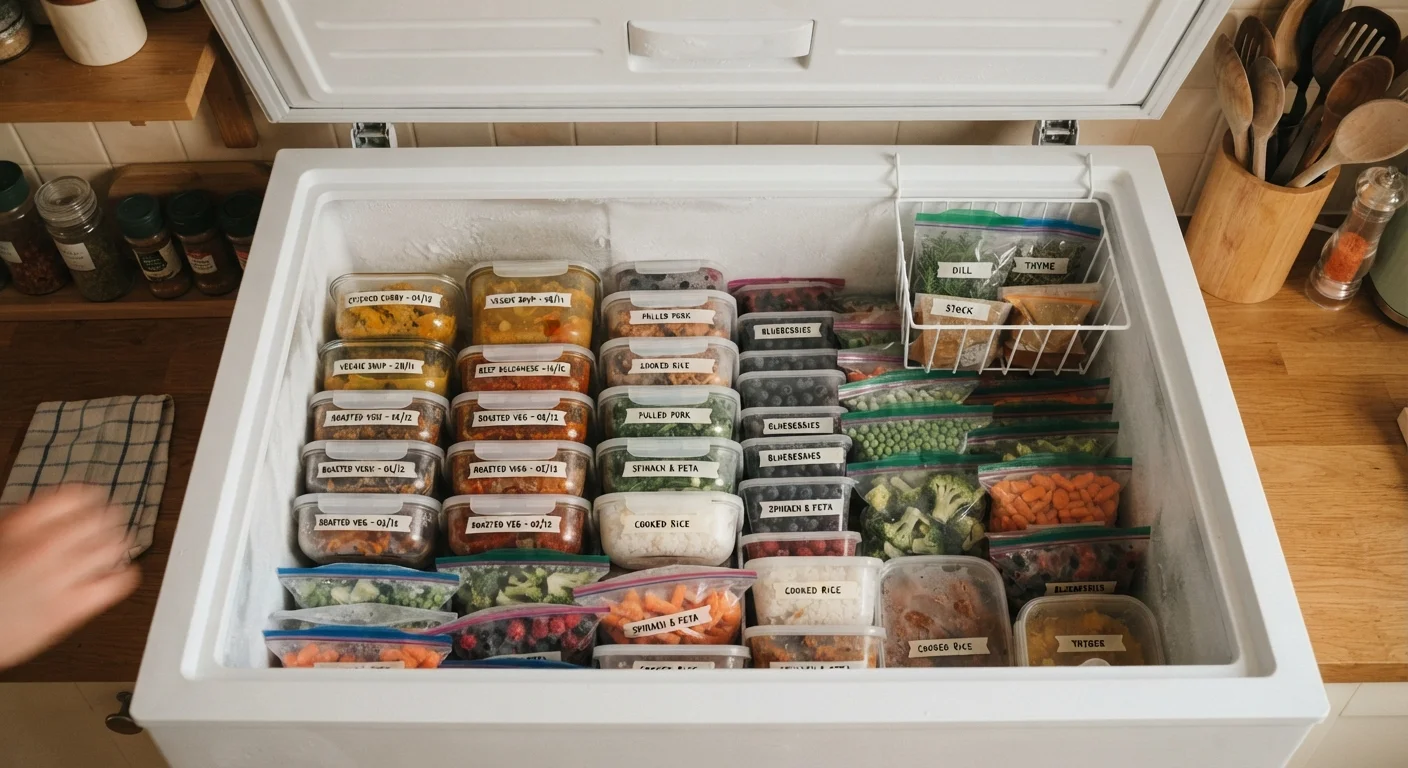
Photo: connectedsearches.com editorial
Key Takeaways
- Freezing food before it spoils is one of the most direct ways to recover grocery spending.
- Most cooked proteins, grains, soups, and many raw vegetables freeze well for one to three months.
- Labeling containers with contents and date prevents forgotten food from turning into waste.
- Batch cooking and freezing portions reduces impulse takeout spending on busy weeknights.
- Buying marked-down meat or produce and freezing immediately can lower per-unit food costs.
Why the freezer is a savings tool, not just storage
Most households already own a freezer. Few use it as a deliberate financial strategy. The result is a cycle of buying fresh food, watching it go unused, and spending again to replace it. The USDA estimates American families discard roughly 30 to 40 percent of the food they buy, and much of that loss happens in the refrigerator, not the trash can of a thrifty shopper.
Shifting some of that food to the freezer before it deteriorates closes the gap between what a family spends and what it actually eats. That is not a minor adjustment. For a household spending $200 per week on groceries, even a 10 percent reduction in waste translates to roughly $1,000 over a year.
The freezer also creates flexibility at the store. When you have proteins, cooked grains, and soups already banked at home, you can shop sales and markdowns without worrying that you will not use things in time. That buying posture is covered in more depth in our flexible grocery list guide.
What actually freezes well (and what does not)
Knowing which foods tolerate freezing is the foundation of the whole system. The list is longer than most people expect.
Freezes well: Raw and cooked meats and poultry, fish fillets, cooked beans and lentils, cooked whole grains (rice, farro, barley), soups and stews, bread and tortillas, hard cheeses (shredded), overripe bananas, most berries, blanched vegetables, and tomato-based sauces.
Freezes poorly: High-water raw vegetables such as lettuce, cucumber, and raw potato. Dairy-heavy sauces tend to separate. Eggs in the shell crack. Cooked pasta goes mushy unless frozen with minimal sauce. These items are better consumed fresh or used in another form before freezing.
For vegetables specifically, blanching (briefly boiling and then chilling in ice water) before freezing preserves texture and color for months. The nutritional picture for frozen produce is also better than many families assume. Our comparison of frozen versus fresh vegetables looks at what the evidence says about nutrient retention.
Freeze proteins on the day of purchase if you do not plan to use them within two days.
Blanch vegetables before freezing to preserve texture and color.
Label every container with the item name and the date it was frozen.
Keep a simple written or digital inventory on the freezer door.
Buy marked-down meat and freeze it immediately on the same shopping trip.
Organizing the freezer so food gets used
A freezer that works as a financial tool needs a system. Without one, containers pile up out of sight and get ignored until they develop freezer burn, which defeats the purpose entirely.
Three habits make the biggest difference. First, label everything with the contents and the date frozen before it goes in. A piece of masking tape and a permanent marker costs almost nothing. Second, apply a first-in, first-out rule: newer items go behind or below older ones. Third, keep a rough inventory, even a paper list on the freezer door, so no one buys something the household already has.
Grouping by category (proteins together, grains together, sauces together) cuts the time spent searching and reduces the cold-air loss that happens when the door stays open. Flat-freezing soups and sauces in zip-lock bags before stacking them saves space and speeds thawing.
Families who build a freezer habit into their weekly meal planning process find it compounds over time. The meal planning for families guide covers how to connect this kind of inventory thinking with weekly shopping decisions.
Buying strategically to stock the freezer
Meat markdowns are common at most grocery stores, typically applied to packages approaching their sell-by date. Buying at that reduced price and freezing immediately is one of the most reliable per-unit savings available without coupons or loyalty programs. The sell-by date is a retailer stocking guide, not a safety cutoff, so food frozen on or before that date is safe.
The same logic applies to produce that is nearing peak ripeness. Bananas, berries, and stone fruits can be frozen at their best and used later in smoothies, oatmeal, or baked goods rather than being discarded. This approach is worth pairing with an awareness of the habits described in our article on budget cooking habits that backfire, particularly around bulk buying items you cannot realistically use in time.
Batch cooking on a weekend afternoon and portioning into freezer containers is a parallel strategy. It reduces weeknight reliance on takeout, which is where many household food budgets quietly overspend. Cooked proteins, sauces, and grains thaw quickly and can anchor a meal in 15 minutes. See our meal planning basics article for how to build batch cooking into a manageable weekly routine.
The content provided on our blog site traverses numerous categories, offering readers valuable and practical information. Readers can use the editorial team’s research and data to gain more insights into their topics of interest. However, they are requested not to treat the articles as conclusive. The website team cannot be held responsible for differences in data or inaccuracies found across other platforms. Please also note that the site might also miss out on various schemes and offers available that the readers may find more beneficial than the ones we cover.