
Why Healthy Eating Does Not Have to Mean Expensive Superfoods

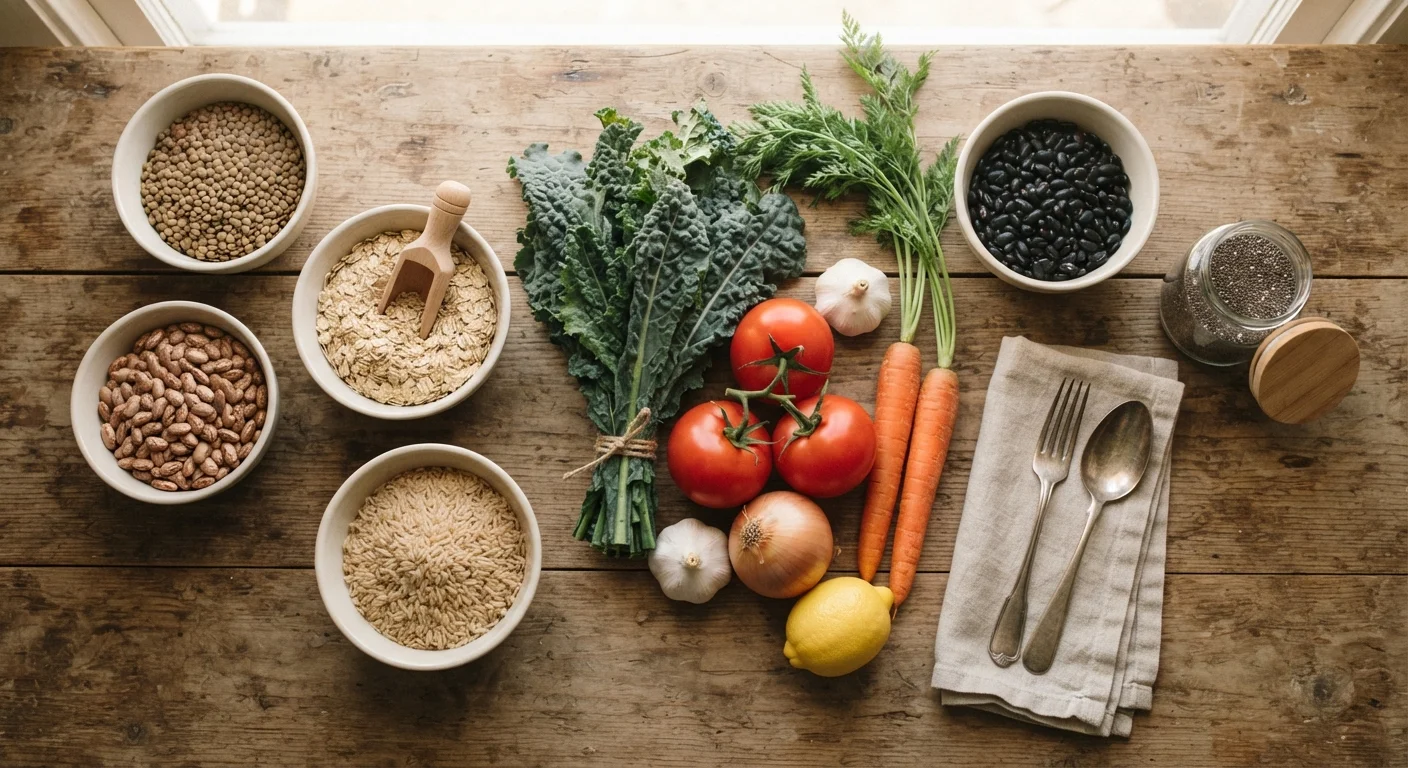
Photo: connectedsearches.com editorial
Key Takeaways
- Affordable staples like beans, oats, and lentils match or exceed the nutritional value of many marketed superfoods.
- The 'superfood' label is a marketing term with no regulated nutritional definition.
- Frozen and canned vegetables retain most of their nutrients and cost far less than fresh.
- Dietary variety across whole foods matters more than any single high-priced ingredient.
- Flexible shopping habits can stretch a food budget without sacrificing nutrition.
What the superfood label actually means
Walk through any grocery store and you will find foods labeled 'superfood' selling for several times the price of comparable items on the next shelf. Acai powder, maca root, and specialty mushroom blends carry premium prices partly because of their origin or processing costs, but also because the label itself commands a markup. No U.S. regulatory body defines what qualifies as a superfood, so any food can carry the term without meeting a specific nutritional threshold.
This does not mean those foods are unhealthy. Many are genuinely nutritious. The problem is that the label encourages people to spend more money on a perceived health benefit that equally nutritious, far cheaper foods already provide. Rolled oats, for instance, are high in soluble fiber, associated with cardiovascular health by the FDA, and cost around $0.10 per serving in most stores.
Myth
Superfoods are a scientifically defined category of especially nutritious foods.
Fact
The term 'superfood' has no regulated definition in the United States. It is a marketing label, not a clinical or nutritional classification.
No federal agency, including the FDA, recognizes 'superfood' as a formal category. Foods marketed under this label are often genuinely nutritious, but the label itself tells you nothing that a basic nutrition facts panel cannot. Acai berries, goji berries, and moringa powder carry the label and a significant price premium. Blueberries, spinach, and lentils carry comparable or stronger nutritional profiles at a fraction of the cost.
When you pay for a superfood label, you are paying for branding. Nutrition science focuses on dietary patterns across many foods, not on individual miracle ingredients.
Myth
You need expensive specialty products to get enough protein on a healthy diet.
Fact
Dried lentils, canned chickpeas, eggs, and plain Greek yogurt are all protein-dense foods available at low cost in most grocery stores.
A pound of dried lentils typically costs under $2 and yields multiple servings with roughly 18 grams of protein per cooked cup. Eggs remain one of the most cost-efficient complete protein sources available. Canned chickpeas and black beans are shelf-stable, versatile, and inexpensive. These foods also supply fiber, iron, and B vitamins that many costly protein powders and supplements do not provide in useful amounts.
See our guide to dried vs. canned beans for a practical breakdown of which form fits different household routines and budgets.
Myth
Fresh produce is always more nutritious than frozen or canned.
Fact
Frozen vegetables are typically frozen within hours of harvest, which preserves most water-soluble vitamins. Canned vegetables retain significant nutrient content as well.
Research published by food scientists has consistently shown that the nutrient gap between fresh, frozen, and canned vegetables is smaller than most consumers assume. Fresh produce that travels long distances and sits in storage can lose meaningful amounts of vitamins before it reaches your plate. Frozen broccoli, peas, and spinach are practical, affordable alternatives that hold up well in soups, stir-fries, and casseroles.
Canned tomatoes, for example, actually contain more bioavailable lycopene than raw tomatoes because heat processing breaks down cell walls. Rinsing canned beans and vegetables reduces sodium content substantially.
Myth
A healthy diet requires a wide range of costly supplements to fill nutritional gaps.
Fact
Most people eating a varied diet of whole foods, including affordable staples, can meet their nutritional needs through food alone. Specific supplementation should be guided by a healthcare professional.
Supplement marketing often implies that ordinary food cannot supply adequate nutrition. For most healthy adults, a diet that includes legumes, whole grains, eggs or dairy, leafy greens, and a variety of other vegetables provides the macronutrients and many micronutrients the body needs. The pantry staples guide outlines affordable, shelf-stable options that cover a broad nutritional base.
Certain populations, including pregnant people, older adults, and those with specific diagnosed deficiencies, may genuinely need supplementation. That determination belongs with a doctor or registered dietitian, not with a product label.
Myth
Budget eating means boring, repetitive meals with poor flavor.
Fact
Affordable ingredients like dried beans, whole grains, eggs, and seasonal produce are the foundation of countless flavorful cuisines around the world.
Mediterranean, South Asian, Latin American, and West African food traditions are built largely on legumes, grains, and vegetables rather than expensive proteins or specialty items. Spices, which cost very little per serving, do most of the flavor work. A bag of cumin, smoked paprika, or turmeric costs under $3 and seasons dozens of meals.
The article on the reputation problem with cheap eating covers this misconception in more depth, with examples drawn from culinary tradition and practical cooking.
Where affordable foods deliver real nutritional value
Dried beans, lentils, and split peas are among the most nutrient-dense foods available at low cost. They supply protein, soluble fiber, folate, iron, and potassium in amounts that compare well with much pricier alternatives. Eggs provide all nine essential amino acids and are widely available at low cost. Canned fish such as sardines and salmon supply omega-3 fatty acids and calcium at a fraction of what fresh fish costs.
Whole grains including brown rice, barley, and oats provide complex carbohydrates and fiber. Frozen vegetables, as covered below, retain most of their micronutrients. Building meals around these ingredients does not require a large food budget or specialty stores. The nutrition guidance for tight budgets article outlines how families can structure meals around these staples without overspending.
This is general nutrition information
Shopping with some flexibility also helps. Rather than committing to a fixed list, buying whichever vegetables or proteins are on sale that week can reduce costs while keeping meals varied. The flexible grocery list approach explains how that works in practice.
The content provided on our blog site traverses numerous categories, offering readers valuable and practical information. Readers can use the editorial team’s research and data to gain more insights into their topics of interest. However, they are requested not to treat the articles as conclusive. The website team cannot be held responsible for differences in data or inaccuracies found across other platforms. Please also note that the site might also miss out on various schemes and offers available that the readers may find more beneficial than the ones we cover.