
Preparing a Week of Nutritious Lunches With Under Ten Ingredients

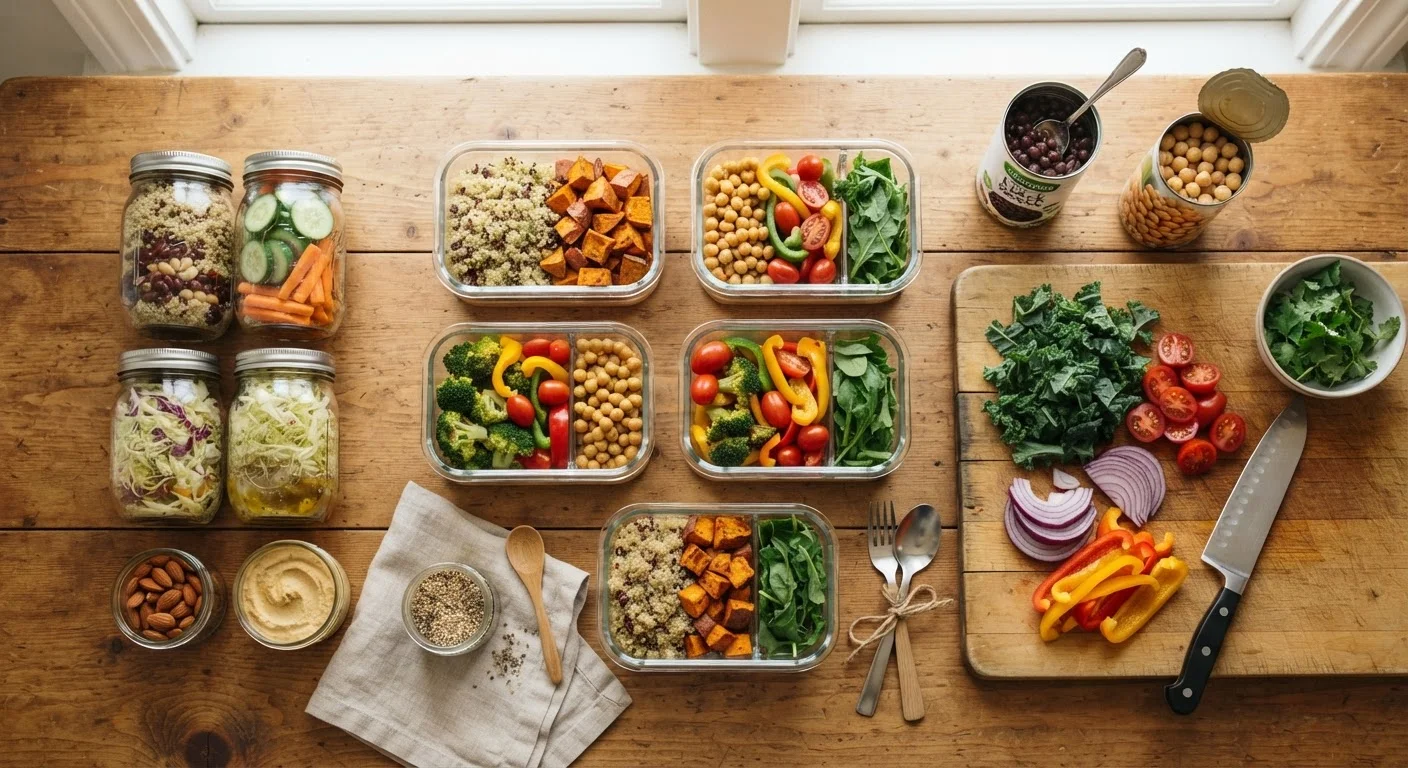
Photo: connectedsearches.com editorial
Key Takeaways
- Ten affordable ingredients can produce five distinct, nutritious lunches when combined strategically.
- Batch-cooking grains and proteins on one day cuts daily prep to under ten minutes.
- Varying sauces, spices, and textures from the same base ingredients prevents meal fatigue.
- Shelf-stable and frozen options reduce waste and keep the weekly grocery cost predictable.
- A flexible ingredient list lets you substitute based on what is on sale without losing balance.
Why fewer ingredients can mean better lunches
Most people assume varied, healthy lunches require a long, expensive shopping list. In practice, the opposite is true. A short list of versatile ingredients costs less, wastes less, and takes less mental energy to execute. The goal here is not to eat the same thing five times but to use the same building blocks in genuinely different combinations.
The ten ingredients below are chosen for nutritional range, low unit cost, and adaptability. They cover protein, complex carbohydrates, fat, fiber, and enough flavor variation to feel like different meals. If your store has a different variety on sale, a flexible swapping approach can keep the plan intact without derailing the budget.
For a broader look at how families can meet nutritional needs on a tight grocery spend, see what general dietary guidance says about budget eating.
What you will need
Your ten-ingredient lineup
Choose one item from each category below, or use what is already in your pantry.
- Grain base: rolled oats, brown rice, or whole wheat pasta
- Canned legume: chickpeas, black beans, or lentils
- Leafy green: spinach, kale, or cabbage
- Egg or canned fish: eggs or canned tuna or canned salmon
- Root vegetable: sweet potato, carrot, or beet
- Allium: onion or garlic
- Acid: lemon juice or apple cider vinegar
- Fat: olive oil or tahini
- Spice blend: cumin and paprika, or curry powder
- Optional fresh herb or topping: flat-leaf parsley, sunflower seeds, or pumpkin seeds
These ten categories map to a week of lunches. The pantry staples that support budget cooking article explains why items like canned legumes and whole grains earn their place in any low-cost kitchen.
Swap by category, not by recipe
Step-by-step prep and assembly
Cook a large batch of your grain base
Prepare 3 to 4 cups of dry grain according to package directions. Brown rice and whole wheat pasta both keep well in the refrigerator for up to four days. Cook the full amount at once so you have a ready base for multiple lunches without returning to the stove.
Roast or boil your root vegetable
Scrub and cube two to three medium root vegetables. Toss with a small amount of olive oil and your chosen spice blend, then roast at 400 degrees Fahrenheit for 25 to 30 minutes until tender and lightly caramelized. Alternatively, boil or steam if you prefer a softer texture for stuffed preparations.
Drain and season your canned legumes
Rinse canned beans or chickpeas under cold water to reduce sodium content. Warm half the batch in a pan with the allium (diced onion or minced garlic), a drizzle of olive oil, and spices for use in warm dishes. Leave the other half cold and undressed for grain salads or cold bowls.
Prep your protein component
Hard-boil a batch of eggs (six to eight works for a household of two to four) or drain and flake canned fish into a small bowl. Both keep refrigerated for up to four days. If using eggs, peel them after cooling so they are grab-and-go ready throughout the week.
Wash and portion your greens
Wash the full bunch of leafy greens and dry thoroughly. Store in a container lined with a paper towel or clean cloth, which absorbs excess moisture and extends freshness. Portion out what you need each day rather than dressing the entire batch at once.
Mix a simple dressing and assemble daily
Combine your acid (lemon juice or vinegar) with olive oil or tahini in a small jar, add a pinch of spice, and shake. Each morning or the night before, layer your chosen grain, legume, protein, and greens into a container, add the dressing and any seeds or herbs, and seal. Keeping components separate until assembly prevents sogginess.
This article is general nutrition and meal-planning information, not medical or dietary advice. Consult a registered dietitian or healthcare professional for guidance tailored to your health needs or those of your family.
Keeping variety without extra shopping
The five combinations below show how the same ten ingredients produce meals that feel distinct. Swap the spice, change the temperature (warm vs. cold), or shift the ratio of grain to legume, and the result is a different eating experience.
- Grain bowl with roasted root vegetable, legumes, a lemon-tahini drizzle, and seeds
- Warm spiced legume soup with wilted greens and toasted bread made from the grain
- Cold grain salad with flaked fish or egg, raw shredded green, acid dressing, and herbs
- Stuffed roasted root vegetable filled with spiced legumes and a handful of greens
- Simple stir-through pasta or rice with alliums, greens, egg, and a splash of acid
For families cooking at greater scale, the framework in feeding a family of four for under $100 a week shows how these same building blocks extend across dinners too. If you find yourself with leftover grains or legumes, a large-batch soup approach is one of the most practical ways to use them before the week ends.
The content provided on our blog site traverses numerous categories, offering readers valuable and practical information. Readers can use the editorial team’s research and data to gain more insights into their topics of interest. However, they are requested not to treat the articles as conclusive. The website team cannot be held responsible for differences in data or inaccuracies found across other platforms. Please also note that the site might also miss out on various schemes and offers available that the readers may find more beneficial than the ones we cover.