
Soup as a Financial Strategy: How a Big Pot Solves the Week

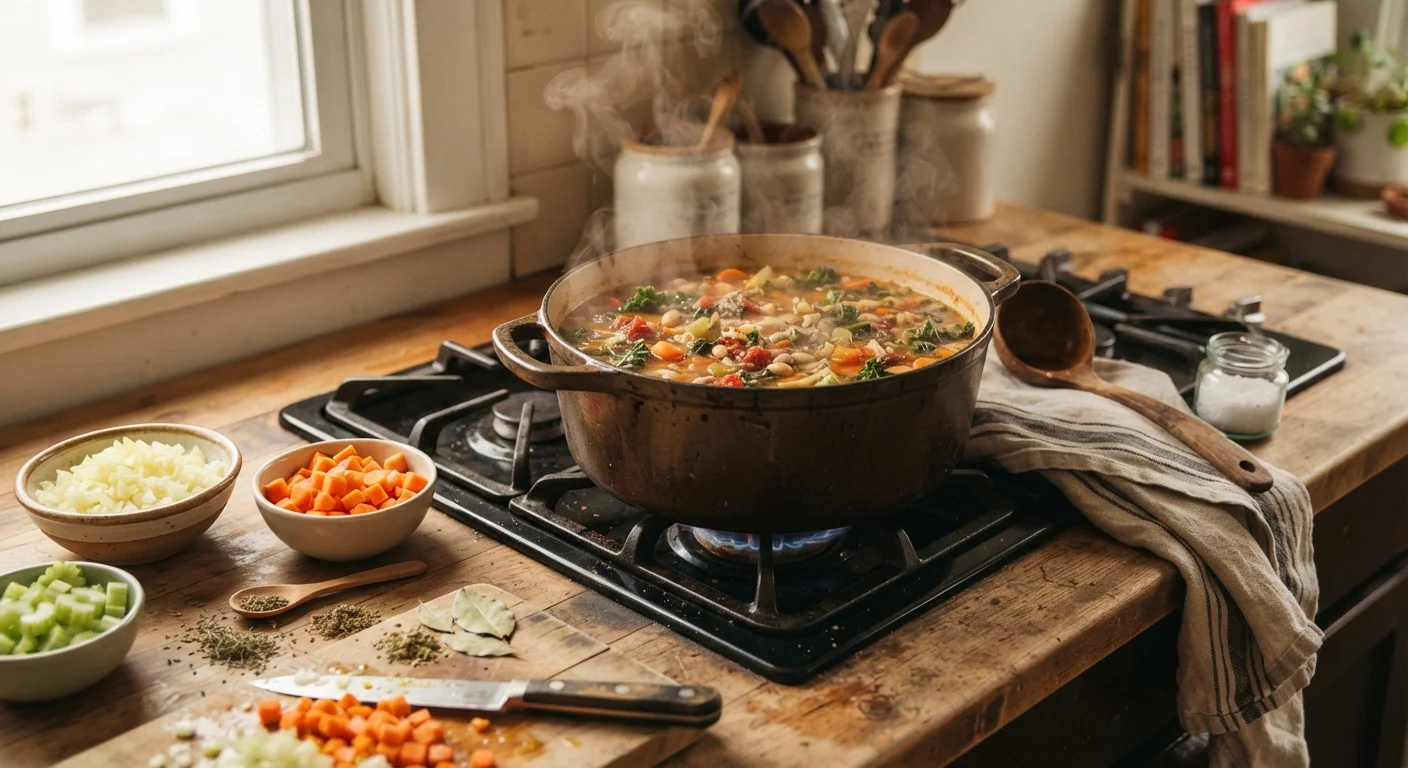
Photo: connectedsearches.com editorial
Key Takeaways
- A single pot of soup made from pantry staples can yield six to eight servings for well under two dollars per serving.
- Saving vegetable scraps and meat bones for homemade broth removes one of the largest hidden costs in soup-making.
- Legumes and grains are the most reliable way to add filling protein and starch without raising the cost significantly.
- Soup freezes well, which turns one cooking session into multiple future meals with no extra work.
- Pairing a weekly soup with a broader meal plan is one of the most practical ways to keep a grocery budget on track.
Why soup is one of the most cost-efficient meals you can make
Soup works financially because water does the heavy lifting. A handful of dried lentils, a few carrots, half an onion, and a couple of garlic cloves can fill a six-quart pot when liquid is the base. That same pot, portioned out, covers dinner for four people with enough left for two or three lunches the next day. At current US grocery prices, a basic lentil soup built from pantry staples typically costs between $4 and $7 for the whole batch, depending on region and whether you already have the spices.
The math holds across almost every soup style. Bean soups, broth-based vegetable soups, and grain stews all share the same economics: cheap dry ingredients absorb liquid and expand significantly in volume. You are paying for very little when you buy a pound of dried chickpeas or a bag of barley, and you are getting a lot of cooked food in return.
Beyond raw cost, soup is forgiving. An overripe tomato, a half-used can of beans, wilting celery, or the last two potatoes at the bottom of the bag all belong in a pot. That flexibility cuts food waste, which is its own form of savings. Families that routinely throw away produce at the end of the week are effectively paying for food they never eat. Soup turns those near-miss ingredients into a meal.
For context on how soup fits into a broader approach to household food spending, the Smart Grocery Savings hub covers a range of practical strategies for keeping weekly grocery costs manageable.
Building a broth without buying broth
Store-bought broth is one of the sneakier grocery expenses because it feels like a pantry staple rather than a cost. A 32-ounce carton is often $3 to $4, and many soup recipes call for two cartons. That's $6 to $8 before a single vegetable goes into the pot.
The practical alternative is a scrap bag kept in the freezer. Every time you trim an onion, peel a carrot, or snap the ends off green beans, those scraps go into a zip-close bag. Chicken bones, the carcass from a rotisserie chicken, or pork ribs bones after dinner all go in too. When the bag is full, cover the contents with cold water in a pot, bring it to a low simmer, and cook it for one to two hours. Strain, and you have a full pot of broth for essentially nothing.
Add acid at the end of cooking, not the beginning. A splash of apple cider vinegar or a squeeze of lemon juice added right before serving brightens the whole pot and makes inexpensive ingredients taste more complete.
Toast your spices in the dry pot for 30 to 60 seconds before adding oil or aromatics. Cumin, coriander, and smoked paprika all release more flavor this way, so you need less of them.
This approach produces a broth that is saltier or milder depending on what scraps you used, so taste before adding seasoning to your soup. Onion skins add color, corn cobs add sweetness, and herb stems add depth. Avoid cruciferous vegetables like broccoli or cabbage in large amounts because they make broth bitter.
The cheapest filling combinations that actually satisfy
A watery broth with a few floating vegetables is not going to keep anyone full until dinner. The soups that actually work as meals have a filling component, usually from one of three sources: legumes, whole grains, or starchy vegetables.
- Dried lentils (red or green) dissolve into a thick, protein-rich base and require no soaking. A one-pound bag typically costs under $2 and yields enough for a large pot.
- Dried beans, such as navy beans, pintos, or black beans, take more planning because they need an overnight soak, but the cost per serving is exceptionally low. A pound of dried beans costs around $1.50 and produces roughly six cups of cooked beans.
- Barley, farro, and brown rice add starch and fiber. They also absorb liquid as the soup sits, so soups made with grains thicken overnight in the refrigerator, which many people find more satisfying the next day.
- Potatoes and sweet potatoes are inexpensive starches that break down slightly during cooking and naturally thicken the broth around them.
Protein does not have to come from expensive meat. A small amount of smoked sausage or a ham hock adds substantial flavor without being the primary ingredient. Canned sardines or mackerel stirred into a tomato-based soup at the end of cooking are economical and nutritious. Even a couple of eggs poached directly in simmering soup just before serving adds protein at very low cost.
Stretching one pot across multiple meals
A single large batch of soup is most useful when it does not show up at the table the same way twice. Variety matters for a family that is going to eat the same pot across three or four days.
On day one, serve the soup as-is with bread or crackers. On day two, ladle it over cooked rice or a baked potato to make it feel like a different dish. A thicker bean or lentil soup can be pureed with an immersion blender and spread on toast as a warm, substantial lunch. Grain-based soups served in smaller portions alongside a simple salad become a lighter meal that stretches the batch further.
This kind of intentional repurposing is a core habit in effective meal planning. The beginner's guide to Sunday batch cooking has practical advice on building this habit from scratch, including how to store food safely between uses.
Storage, freezing, and reheating without losing quality
Broth-based soups without dairy keep well in the refrigerator for four to five days. Soups with cream, milk, or coconut milk can separate when reheated, so those are better consumed within two to three days or frozen before the dairy is added.
For freezing, cool the soup completely before transferring it to containers. Portioning into individual servings (roughly two cups each) makes it easy to pull out exactly what you need on a busy night. Leave about an inch of headspace in any container because liquid expands when frozen. Most soups keep well in the freezer for two to three months without significant flavor loss.
When reheating, low and slow on the stovetop is better than a blast of high heat. Stir occasionally to prevent the bottom from scorching, especially in grain or bean soups that thicken as they cool. A splash of water or plain broth loosens the texture if the soup has thickened too much in storage.
For more guidance on building lunches around foods that store and reheat well, see how to prep a week of nutritious lunches with under ten ingredients.
Fitting soup into a broader weekly food plan
One soup per week is a straightforward anchor for a household food budget. Plan one large batch on the weekend or on the least busy weeknight, and that single cooking session covers two to three meals across the week. Combined with a few other simple, low-cost staples, it does a lot of the budget work on its own.
The key is deciding on the soup before grocery shopping, not after. When you walk into a store without a plan, you tend to buy ingredients that do not work together efficiently. With a specific soup in mind, you buy only what the recipe needs plus any pantry items you are running low on.
Fitting soup into a weekly plan also helps reduce the kind of well-intentioned frugal moves that quietly backfire. Buying a large bag of a single vegetable because it was on sale, for example, only saves money if you use it all. Soup is one reliable way to work through a surplus before it spoils. The article on budget cooking habits that backfire covers several of those common traps in more detail.
Families trying to build a consistent weekly system can also find a practical framework in the meal planning guide for real families, which walks through how to set up a low-friction routine that keeps grocery spending predictable from one week to the next.
The content provided on our blog site traverses numerous categories, offering readers valuable and practical information. Readers can use the editorial team’s research and data to gain more insights into their topics of interest. However, they are requested not to treat the articles as conclusive. The website team cannot be held responsible for differences in data or inaccuracies found across other platforms. Please also note that the site might also miss out on various schemes and offers available that the readers may find more beneficial than the ones we cover.