
Why Your Grocery Bill Keeps Creeping Up Even When Nothing Has Changed

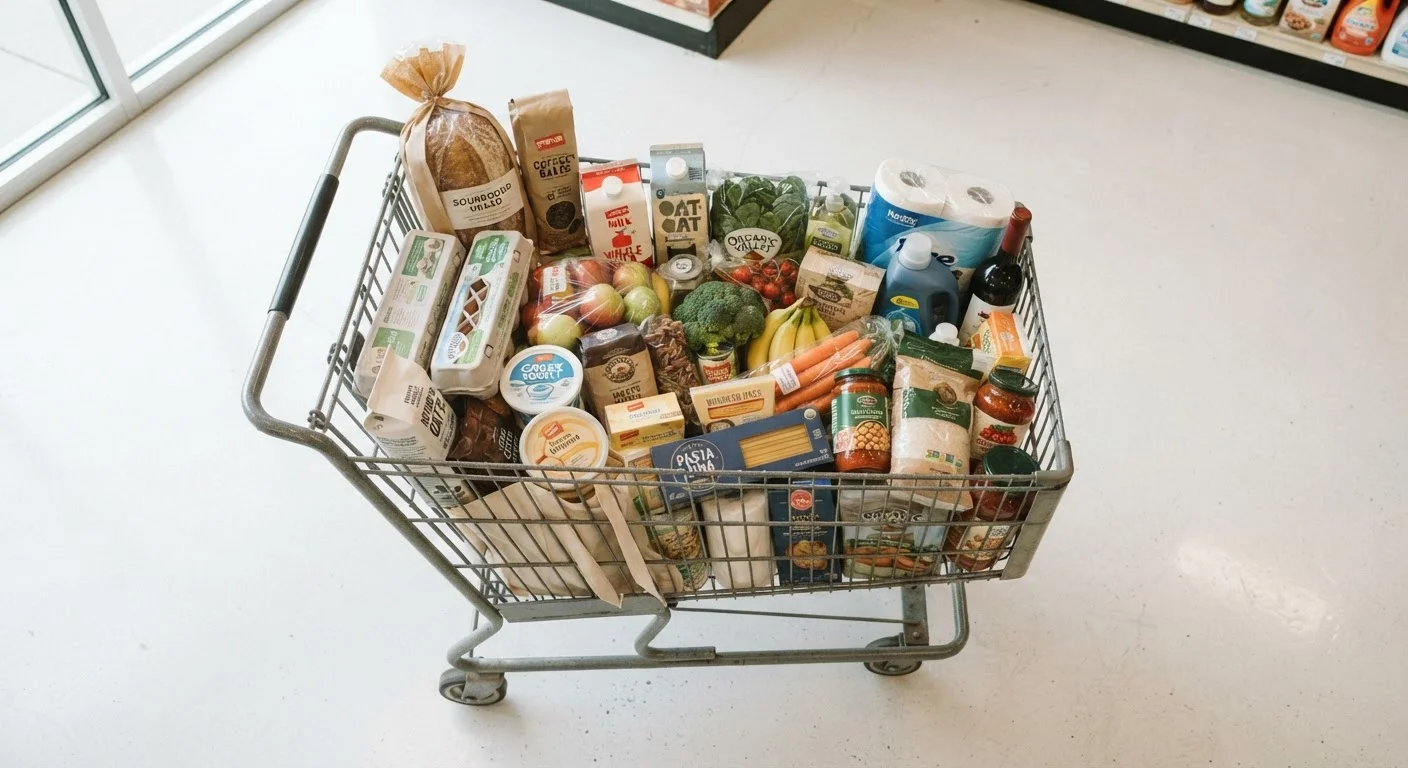
Photo: connectedsearches.com editorial
Key Takeaways
- Store layout and product placement are designed to increase spending, not convenience.
- Shopping without a specific plan consistently leads to higher totals at checkout.
- Unit price comparisons, not package price, reveal the actual cost of most grocery items.
- Hunger, fatigue, and distraction at the store measurably increase unplanned purchases.
- Flexible meal planning reduces both food waste and repeat emergency shopping trips.
How stores are built to cost you more
Grocery stores are arranged to maximize how long you spend inside and how many products you pass. Staples like milk, eggs, and bread are placed at the back or perimeter, so reaching them requires walking through aisles stocked with higher-margin items. Eye-level shelves hold products with the widest profit margins. End-of-aisle displays create the impression of a deal, even when the price is identical to the shelf price deeper in the aisle.
These are deliberate design decisions, not incidental ones. Retailers spend considerably on shopper behavior research, and the layouts reflect those findings. Knowing this does not make you immune, but it does let you move through the store with a more deliberate path rather than a browsing one. Going in with a list organized by store section, rather than by meal, cuts time in aisles where unplanned items tend to land in carts.
For a structured approach to pre-trip preparation, see the weekly grocery prep checklist that covers how to organize your list before leaving home.
Common mistakes quietly inflating your total
Most grocery overspending does not come from one large decision. It comes from a cluster of small habits repeated every trip. The mistakes below account for a significant share of the gap between what shoppers expect to spend and what they actually spend.
Shopping without checking what is already at home.
Shopping while hungry or distracted.
Ignoring store-brand equivalents on autopilot.
Treating sales and bulk formats as automatic savings.
Making multiple small trips to the store each week.
Meal planning addresses several of these patterns at once by reducing both decision fatigue and unplanned trips. The meal planning guide for families walks through a practical weekly system that works without requiring hours of preparation.
The unit price problem most shoppers skip
~$1,500
Estimated annual household food waste cost
The U.S. Department of Agriculture estimates that the average American family of four discards between $1,500 and $2,000 worth of food annually.
60%+
Share of supermarket purchases that are unplanned
Research published by the Point of Purchase Advertising International organization found that more than 60 percent of supermarket purchase decisions are made inside the store rather than before arriving.
Package size and shelf price tell you almost nothing about value. A 32-ounce container priced at $4.49 costs more per ounce than a 48-ounce container at $5.99, yet most shoppers compare only the sticker price. Grocery stores are required in most U.S. states to display unit prices on shelf tags, but the label is often printed in small font and easy to overlook.
The comparison is worth making consistently, particularly on pantry staples you use regularly. That said, buying a larger size only saves money if you use the full amount before it spoils or expires. Bulk buying that leads to waste is a net loss, a pattern covered in more depth in the article on budget cooking habits that backfire.
Coupons carry a similar risk. They reduce price on a specific item but can push you toward a brand or size that does not actually represent the lowest unit cost. The article on why coupon strategies fall short explains where this math breaks down.
Shopping with flexibility saves more than a rigid list
A fixed list has real advantages: it reduces impulse spending and keeps trips shorter. However, a list that locks in every specific item at a specific size can cost more than necessary when produce is priced differently by season, or when a store-brand equivalent is substantially cheaper than the named item on your list.
A flexible list sets the ingredient or category, not the brand or exact package. You buy chicken thighs if they are priced lower than breasts that week, or swap one vegetable for another of similar nutrition when the price difference is large. This approach requires slightly more attention at the store but generally produces lower totals without changing what you eat in any meaningful way.
The flexible grocery list strategy goes deeper on how to build a list that allows for smart swaps while still keeping your meals on track. These habits also connect to broader family budget basics that help households manage variable monthly expenses.
The content provided on our blog site traverses numerous categories, offering readers valuable and practical information. Readers can use the editorial team’s research and data to gain more insights into their topics of interest. However, they are requested not to treat the articles as conclusive. The website team cannot be held responsible for differences in data or inaccuracies found across other platforms. Please also note that the site might also miss out on various schemes and offers available that the readers may find more beneficial than the ones we cover.