
Why Your Coupon Strategy Keeps Falling Short

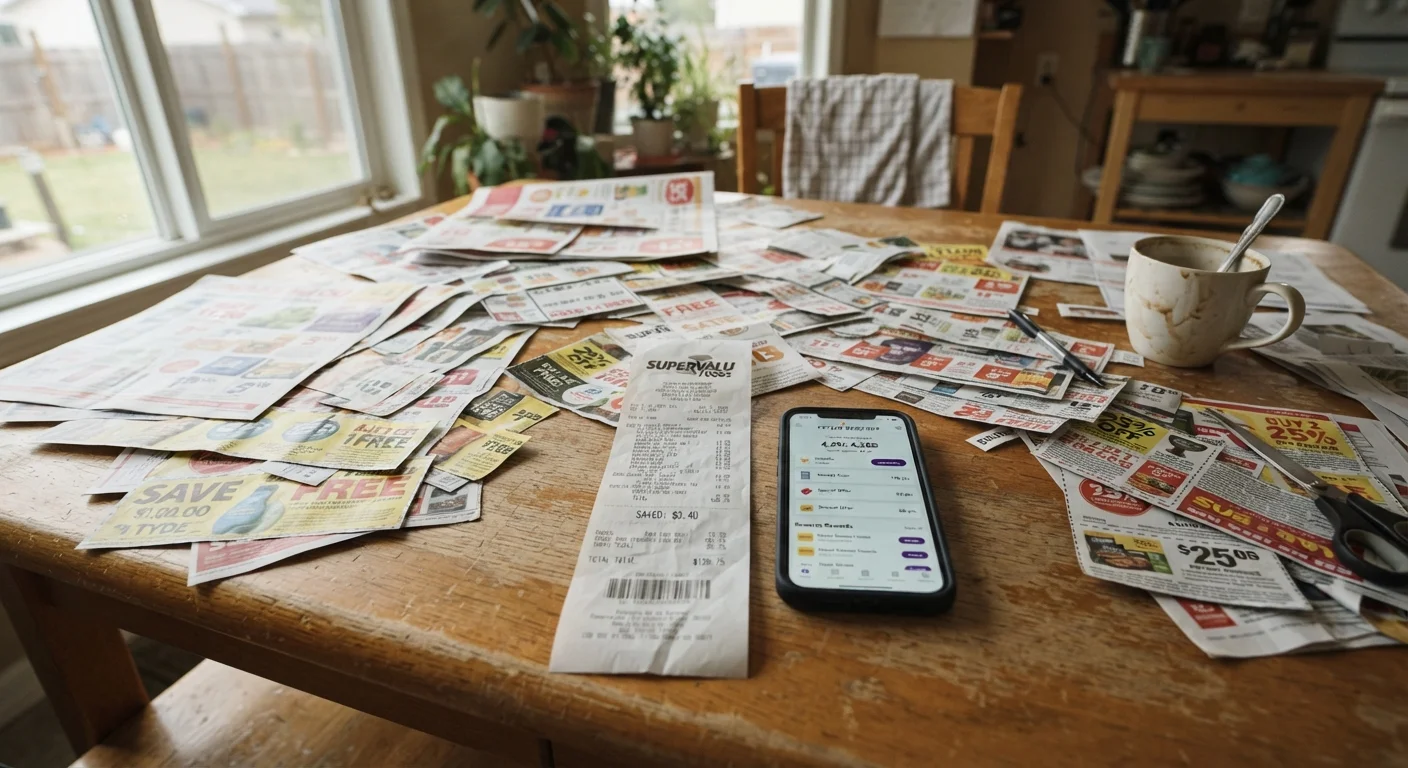
Photo: connectedsearches.com editorial
Key Takeaways
- Buying items you would not normally purchase erases the discount before you leave the store.
- Ignoring unit prices means a coupon can push you toward a worse deal per ounce or use.
- Coupon expiration and store policy differences catch many shoppers off guard and waste time.
- Stacking multiple discount types consistently outperforms single-coupon shopping.
The gap between effort and savings
Plenty of households clip coupons, load digital offers, and still end up spending more than they planned. The problem usually is not a lack of effort. It is a handful of repeatable errors that quietly cancel out the discounts being earned.
Understanding where the strategy breaks down is more useful than collecting more coupons. The mistakes below appear across all shopping categories, from groceries to household goods, and fixing even two or three of them tends to produce a noticeable change in what families actually spend. For a broader foundation, see the family-friendly shopping primer covering price cycles and cashback basics.
Common coupon mistakes and how to fix them
These are the errors that show up most often when a coupon strategy produces less savings than expected.
Buying something primarily because a coupon exists for it.
Ignoring unit price when applying a coupon.
Letting coupons expire or missing the window to use digital offers.
Not understanding the store's coupon policy before checkout.
Treating every coupon as equally valuable regardless of context.
Skipping cashback and rebate apps because coupons feel sufficient.
One pattern worth noting separately: most of these mistakes compound each other. Buying an unneeded item at the wrong unit price, then missing the stacking opportunity that would have made it worth buying, is how a coupon trip turns into overspending. The habits that quietly inflate grocery totals often overlap with the same errors described here.
Building a strategy that holds up
A workable coupon approach starts with a shopping list built before looking at any offers, not the other way around. Coupons then filter against that list rather than generate it.
Pairing coupons with store sales and cashback apps is where consistent savings appear. A single coupon on a full-price item typically saves less than a sale price alone. Combining the two, plus a cashback credit, can bring the effective price well below the baseline. The guide to stacking coupons, cashback, and store sales covers the rules that vary by retailer and how to layer discounts without running into policy conflicts.
Digital coupon tools have also changed what is practical. Many store apps clip offers automatically, track expiration dates, and apply discounts at checkout without any paper involved. How modern digital couponing actually works is worth reviewing if paper-based habits are still the default.
Loyalty programs can work against you here
Finally, tracking actual spending over four to six weeks tells you whether the strategy is working. A lower receipt total is only meaningful if it reflects buying the same types of goods at lower prices, not fewer goods or different goods that happen to be cheaper.
The content provided on our blog site traverses numerous categories, offering readers valuable and practical information. Readers can use the editorial team’s research and data to gain more insights into their topics of interest. However, they are requested not to treat the articles as conclusive. The website team cannot be held responsible for differences in data or inaccuracies found across other platforms. Please also note that the site might also miss out on various schemes and offers available that the readers may find more beneficial than the ones we cover.