
Price Tracking Tools: A Field Guide to Watching Costs Over Time

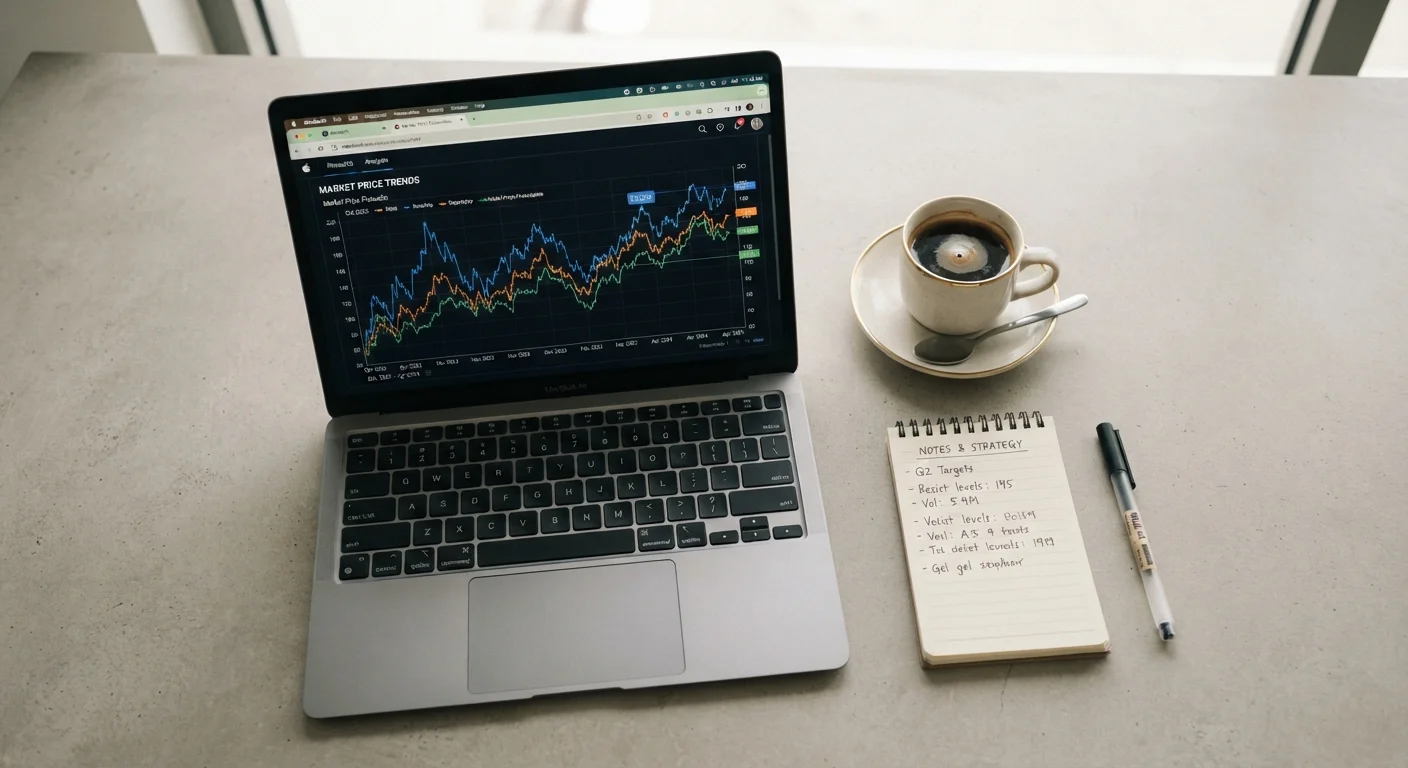
Photo: connectedsearches.com editorial
Key Takeaways
- A price history graph shows whether a current sale price is lower than what the item normally sells for.
- Retailers sometimes raise a price before a sale event so the markdown looks larger than it is.
- Price alert features let you set a target price and receive a notification when the item reaches it.
- Tracking tools work best for durable goods bought infrequently, such as appliances, electronics, and bedding.
- History data accuracy depends on how often a tool checks prices and how long it retains records.
What a price history graph actually tells you
When a retailer labels something "40% off," that percentage is calculated from a reference price the retailer chose. That reference price may have been in effect for only a short period, or it may be inflated specifically to make the discount appear large. A price history graph bypasses that framing by showing you the actual recorded price at each point in time.
Reading a price history graph involves three basic observations. First, identify the price range the item has occupied over its tracked history. Second, note where the current price sits within that range. Third, check whether the price dipped to a similar level before, and if so, how long it stayed there. This context is what separates a genuine markdown from a staged one.
For a deeper look at how retailers construct the prices you see on shelf and online, the Anatomy of a Retail Price article covers markup logic and psychological pricing in detail.
Check the full range, not just the low point
How tracking tools collect and store price data
Price tracking tools monitor product pages at scheduled intervals, typically every few hours to once per day. Each time a tool checks a page, it records the listed price with a timestamp. Over weeks and months, those data points form the graph you see when you look up a product's history.
Data quality depends on two variables: check frequency and retention length. A tool that checks every six hours will catch short-lived price spikes that a daily-check tool might miss entirely. A tool that stores only 90 days of data gives you less context than one that stores two years. When choosing a tool, look at how often it samples prices and how far back its records go for the category you care about.
Some tools operate as browser extensions that activate when you land on a supported product page, while others require you to search their own database directly. Browser extensions tend to be more convenient for habitual shoppers; standalone sites can be useful for researching a product before you even visit the retailer's page.
Up to 30%
Price inflation before major sale events
Consumer research has found that prices on some products are raised in the weeks before promotional events, making the subsequent discount appear larger than it is relative to normal trading prices.
12-24 months
Typical price history archive length
Most established price tracking services retain between one and two years of price data for actively listed products, though coverage varies by tool and item popularity.
Setting price alerts without overcomplicating the process
A price alert lets you name a target price for a specific product and then stop thinking about it. When the recorded price reaches that level, the tool sends a notification. This approach works well for purchases you know are coming but are not urgent, such as a new appliance before the current one fails, or seasonal items you plan to buy before a particular time of year.
To set a useful target, look at the price history graph and identify the lowest price the item has reached in the past 12 months. If the current price is meaningfully above that level, set your alert near the historical low. If the item rarely dips below its current price, that information is equally useful: it suggests the current price may already be near the floor.
Alerts work best when you have genuine flexibility on timing. If you need an item within the next week, an alert set at a historical low may never trigger in time. Seasonal price cycles for household categories can help you estimate whether a better price is likely within your purchase window.
Where price tracking is most and least useful
Price tracking gives the most reliable signal for durable goods sold through major online marketplaces, items like large appliances, electronics, mattresses, and furniture. These products tend to have stable SKUs, meaning the same product identifier persists over time, so the price history graph reflects actual price movement rather than catalog changes.
Tracking is less reliable for products that change formulation or packaging frequently, items sold in large quantities through third-party marketplace sellers (where the "low price" may reflect a different seller with different quality controls), and products with short catalog lifespans such as seasonal fashion. In those cases, a graph may exist but the data may not represent a consistent product over time.
Grocery prices are largely outside the scope of most tracking tools, which focus on major retail marketplaces. Patterns in food costs involve different dynamics, covered in our look at why grocery bills keep rising. For shoppers who are newer to structured shopping strategy, the Deal-Smart Shopping primer for families provides a broader foundation that pairs well with these tracking habits.
This article is for general informational and educational purposes only. Prices, tool features, and retailer practices vary and change over time. Readers should verify current information directly with any tool or retailer before making purchasing decisions.
Frequently Asked Questions
The content provided on our blog site traverses numerous categories, offering readers valuable and practical information. Readers can use the editorial team’s research and data to gain more insights into their topics of interest. However, they are requested not to treat the articles as conclusive. The website team cannot be held responsible for differences in data or inaccuracies found across other platforms. Please also note that the site might also miss out on various schemes and offers available that the readers may find more beneficial than the ones we cover.