
One Rotisserie Chicken, Five Completely Different Dinners

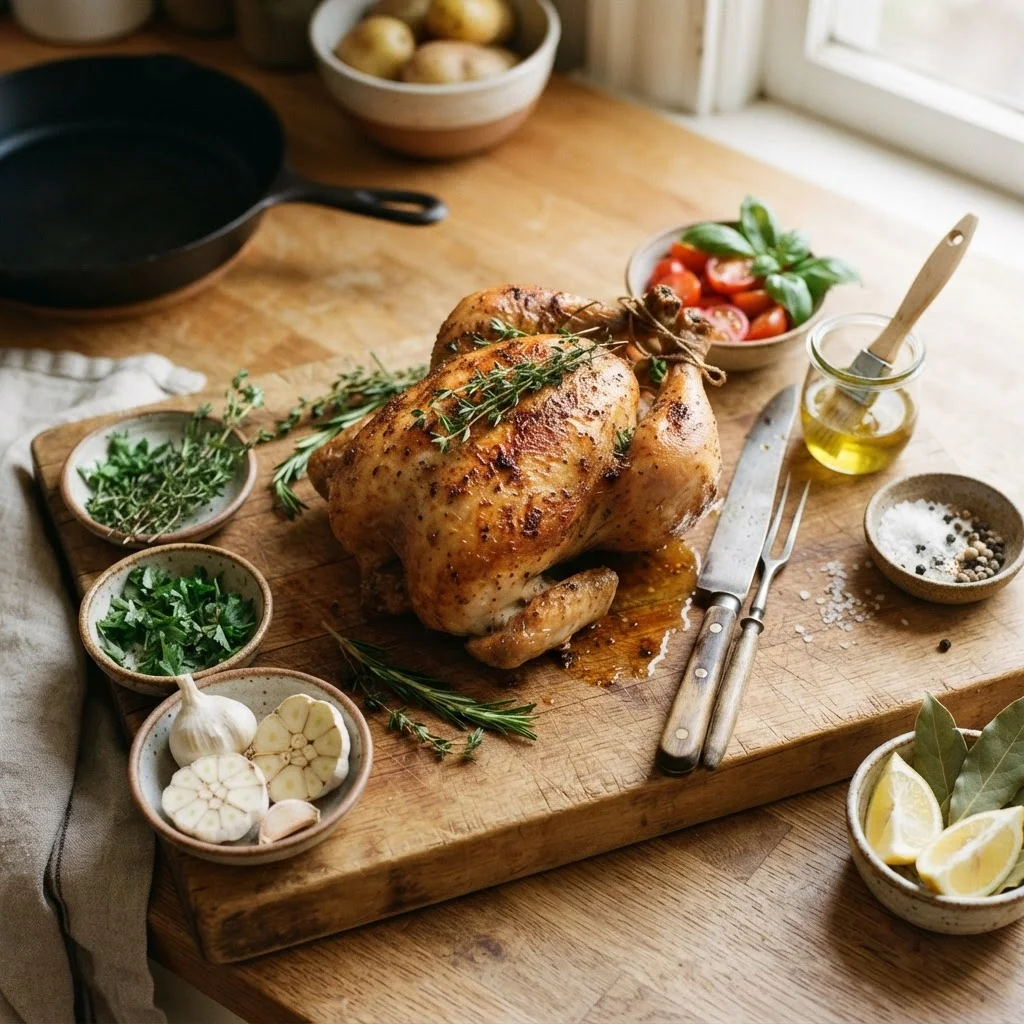
Photo: connectedsearches.com editorial
Key Takeaways
- A single rotisserie chicken typically yields enough meat for five separate family meals.
- Shredding and storing the meat right away saves time on every subsequent night.
- Varying sauces, spices, and base ingredients keeps each meal feeling fresh and different.
- The carcass can become homemade broth, stretching your dollar even further.
- Total cost per serving across all five meals often falls well under two dollars.
Why one chicken goes further than you think
Rotisserie chicken is one of the more practical purchases at any grocery store. It comes fully cooked, it is sold at a price point that often undercuts buying and roasting a whole raw chicken yourself, and it contains enough meat to anchor multiple meals if you plan around it.
The five dinners below use different flavor profiles, so the week does not feel repetitive. The first two meals use the breast meat, the soup uses the carcass for broth and pulls in whatever is left, and the final two clear out the remaining shreds. If you pair this approach with a flexible grocery list, you can fill in the supporting ingredients based on what is already on sale.
Store the meat before you eat
Classic chicken tacos
Pull the breast meat into thin strips and warm it in a skillet with a pinch of cumin, garlic powder, and a splash of lime juice. Serve in flour or corn tortillas with shredded cabbage, salsa, and sour cream. This takes about ten minutes start to finish, and most of those ingredients are already in a well-stocked kitchen.
If your grocery run included a bag of frozen corn, toss a handful into the skillet. It adds bulk and a little sweetness at almost no extra cost.
Taco night comes together in ten minutes with chicken already cooked and waiting.
Chicken fried rice
This meal works best with leftover cooked rice, making it a natural second-night option. Dice the chicken into small pieces and stir-fry with day-old rice, frozen peas, carrots, soy sauce, and a couple of eggs. The whole pan takes about fifteen minutes over high heat.
The key is using cold rice: fresh rice steams and clumps, while cold rice fries up with better texture. If you do not have leftover rice, cook a pot early in the day and let it cool uncovered in the fridge.
Cold leftover rice is exactly what fried rice needs, making this a practical second-night meal.
Creamy chicken soup
Simmer the chicken carcass with an onion, a few celery stalks, and a carrot for one hour to get a simple broth. Strain it, then add diced potatoes, more carrot, and the remaining chicken meat. Stir in a splash of cream or a spoonful of cream cheese near the end for body. Season with salt, pepper, and thyme.
This soup stretches a small amount of meat into a filling pot that can feed four adults comfortably, especially with a loaf of bread on the side. See our batch cooking guide for tips on making large-format soups with minimal fuss.
The carcass alone is enough to build a rich, filling soup broth from scratch.
BBQ chicken flatbreads
Mix shredded chicken with store-brand barbecue sauce and spread it over naan, pita, or refrigerated pizza dough. Top with shredded mozzarella, sliced red onion, and a handful of frozen corn if you have it. Bake at 400 degrees Fahrenheit for about twelve minutes until the cheese bubbles.
This one is popular with kids and takes almost no active cooking time. Store-brand naan bread typically costs under two dollars for a pack of four, keeping the per-serving cost low. Vary the toppings based on what needs to be used up in the fridge.
Flatbreads bake in twelve minutes and are a reliable hit with children.
Chicken and rice casserole
Combine shredded chicken, cooked white rice, a can of cream of mushroom soup, and frozen broccoli or green beans in a baking dish. Add half a cup of chicken broth or water to loosen the mixture, top with breadcrumbs or crushed crackers, and bake at 375 degrees Fahrenheit for 25 minutes.
This is the kind of filling, low-fuss dinner that uses up the last of the chicken and any stray vegetables in the freezer. It reheats well the next day, so any leftovers become a packed lunch without additional effort. For more ideas on stretching ingredients like this across a week, see our meal planning guide.
A casserole uses up the last scraps of chicken and any stray freezer vegetables at once.
Getting more from your weekly food budget
Running five meals off one protein source is one of the more reliable ways to keep a weekly food budget in check. The meals above each use inexpensive supporting ingredients: rice, canned goods, frozen vegetables, tortillas. None of them require specialty items or multiple fresh proteins.
If you want to build this kind of meal into a repeatable weekly system, our guide to feeding a family of four under $100 a week covers the broader planning approach. The lunches with ten ingredients guide is also worth a look if you want the soup or casserole leftovers to pull double duty the next day.
How much meat to expect
The content provided on our blog site traverses numerous categories, offering readers valuable and practical information. Readers can use the editorial team’s research and data to gain more insights into their topics of interest. However, they are requested not to treat the articles as conclusive. The website team cannot be held responsible for differences in data or inaccuracies found across other platforms. Please also note that the site might also miss out on various schemes and offers available that the readers may find more beneficial than the ones we cover.