
Sleep, Stress, and Spending: The Hidden Cost of Neglecting Rest

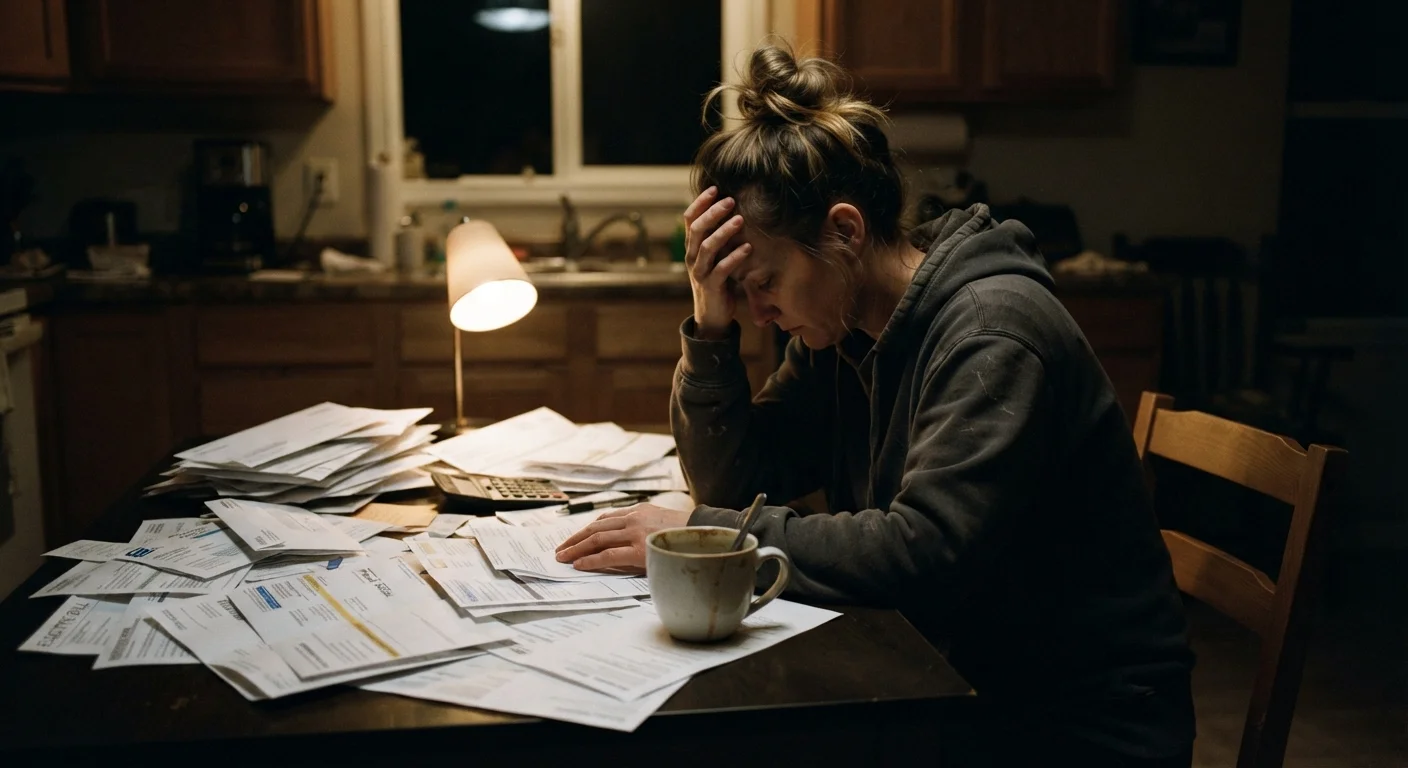
Photo: connectedsearches.com editorial
Key Takeaways
- Chronic short sleep is linked to increased impulsive spending and reduced financial self-control.
- Poor sleep raises appetite for calorie-dense foods, which can push grocery and dining costs higher.
- Fatigue increases reliance on convenience purchases like takeout and single-use items.
- Most evidence-backed sleep improvements cost little to nothing.
- Better rest can support the mental clarity needed to stick to a household budget.
The link between sleep and financial decisions
When families think about budget leaks, they tend to focus on subscriptions, grocery overruns, or dining out too often. Sleep rarely makes the list. Yet a growing body of research in behavioral economics suggests that how much rest people get shapes the quality of their financial decisions in measurable ways.
A 2021 study published in the journal Proceedings of the National Academy of Sciences found that sleep-deprived individuals rated positive outcomes more desirable and negative outcomes less threatening, a pattern that favors impulsive choice over careful planning. When you factor in that the average American adult reports sleeping less than the CDC-recommended 7 hours on many nights, the budget implications become concrete.
This is not about willpower. The prefrontal cortex, which governs planning and self-control, is one of the first regions of the brain to lose performance under sleep restriction. A tired shopper or a tired bill-payer is working with a genuinely different cognitive toolkit than a rested one. Families trying to stick to a household budget may find that addressing sleep is one of the lowest-cost interventions available.
Start with your wake time, not your bedtime
How fatigue inflates everyday costs
The financial effect of poor sleep shows up in several predictable patterns. Convenience spending is the most obvious. Fatigue compresses the time and mental energy available for cooking, planning, and comparison, so families turn to takeout, delivery apps, or grab-and-go items more often. These choices are not inherently wrong, but when they become a daily default driven by exhaustion rather than preference, the cost is real.
Food choices shift under sleep pressure in a second way. Research published in journals covering sleep and metabolism has documented that insufficient sleep raises ghrelin (a hunger-signaling hormone) and lowers leptin (which signals fullness). The result is stronger cravings, particularly for carbohydrate-dense and high-fat foods, which tend to cost more per serving than whole foods prepared at home. Families already managing a tight grocery budget, like those using the flexible grocery list approach, may find those plans harder to follow when everyone is running on poor sleep.
Stress compounds the picture. Sleep loss and chronic stress amplify each other: poor sleep raises cortisol, and sustained stress makes restful sleep harder to achieve. Elevated cortisol is associated with comfort-seeking behavior, including emotional spending on food, entertainment, and other short-term reliefs. The household budget can absorb these costs for a while, but not indefinitely. The broader relationship between routine wellness habits and long-term costs is covered in preventive health habits that save families money over time.
What practical, low-cost sleep improvements look like
The evidence-backed approach to better sleep does not require expensive mattresses, supplements, or gadgets. Most of what sleep researchers recommend is behavioral and costs nothing.
- Keep a consistent wake time, even on weekends. Irregular sleep timing disrupts circadian rhythm and reduces sleep quality regardless of total hours.
- Lower light exposure in the hour before bed. Overhead lights and screens suppress melatonin production. Dimming lights or using a reading lamp costs nothing beyond a habit change.
- Keep the bedroom cool. Core body temperature drops during healthy sleep onset, and a cooler room (roughly 65 to 68 degrees Fahrenheit for many adults) supports that process. Adjusting a thermostat is low or no cost depending on the season.
- Cut off caffeine by early afternoon. Caffeine has a half-life of about 5 to 6 hours in most adults, meaning an afternoon coffee still affects alertness at bedtime.
Families dealing with noise, shared sleeping spaces, or young children face real structural barriers that behavioral tips alone cannot fully address. In those situations, small environmental changes like foam earplugs, a box fan for white noise, or a door draft blocker can help without significant expense.
If sleep problems are persistent, severe, or accompanied by symptoms like loud snoring, gasping, or excessive daytime sleepiness, a healthcare provider should evaluate whether an underlying condition like sleep apnea is present. General tips do not substitute for that assessment.
Sleep as a budget strategy
Framing rest as part of financial wellness is not a stretch. A household where adults are consistently well-rested is better positioned to meal plan, resist impulse purchases, and make clear-headed decisions about spending priorities. The same mental clarity that helps someone follow through on eating well on a tight budget also helps them recognize when a budget is slipping and why, as covered in why families fail their first-month budget.
None of this means sleep is a guaranteed fix for financial stress. Structural pressures like income gaps, medical costs, and housing expenses are not resolved by going to bed earlier. However, within the range of habits a family can actually control, sleep is one of the few that touches both physical health and financial behavior at the same time.
This article is for general informational and educational purposes only. It is not medical advice, financial advice, or a substitute for guidance from a qualified healthcare or financial professional. If you have persistent sleep problems or related health concerns, consult a licensed healthcare provider.
Frequently Asked Questions
The content provided on our blog site traverses numerous categories, offering readers valuable and practical information. Readers can use the editorial team’s research and data to gain more insights into their topics of interest. However, they are requested not to treat the articles as conclusive. The website team cannot be held responsible for differences in data or inaccuracies found across other platforms. Please also note that the site might also miss out on various schemes and offers available that the readers may find more beneficial than the ones we cover.